
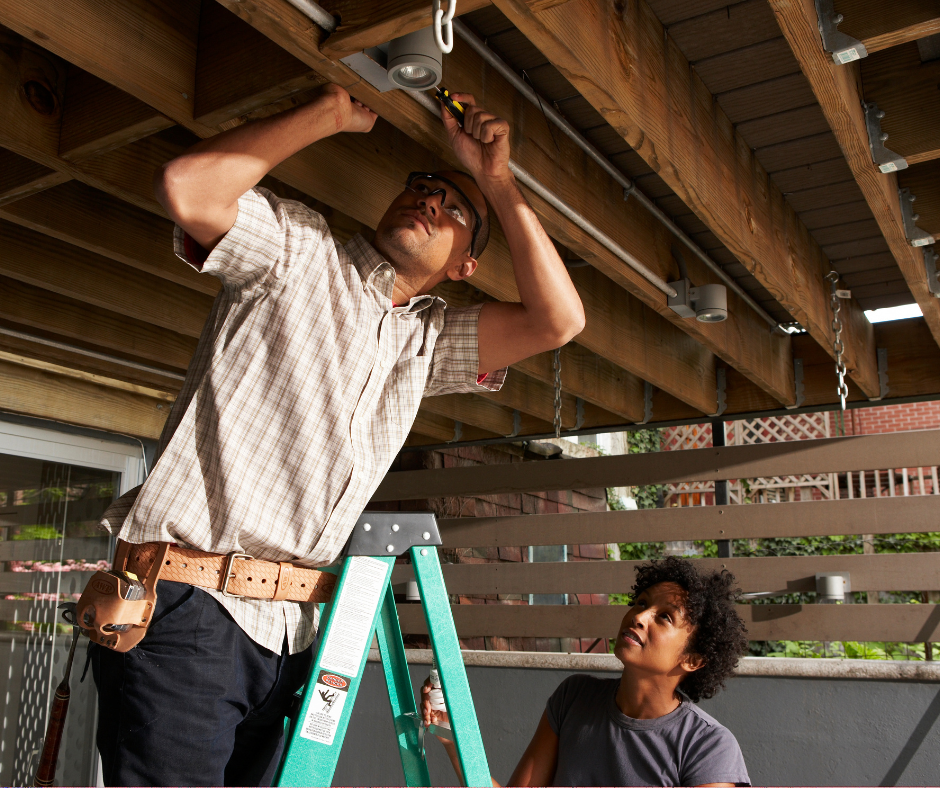
Home renovation upgrades may make a home much more comfortable, safe, and valuable. These renovations sometimes cost a lot of money, whether they are fixing a broken roof, adding more insulation, or making things easier to get to. Many homeowners find it hard to pay for renovations, especially when they have to make repairs that they didn’t plan for. This is when home improvement grants come in handy.
Home renovation grants are programs that give money to homeowners to help them fix up, upgrade, or remodel their homes. Unlike loans, grants usually don’t have to be paid back. This makes them a great choice for people who want to make their houses better without taking on more debt. Government agencies, housing authorities, and community groups often give out these subsidies to help people find safe and long-lasting homes.
Knowing what the best home improvement grants are will help homeowners find ways to pay for their renovation work. In a lot of cases, these subsidies are meant for certain kinds of improvements, including making things more energy-efficient, fixing things that need to be fixed, or making things easier to get to. Homeowners may make smart choices and take advantage of programs that help with home upgrades by looking into the options that are available and learning how they work.
Why home improvement grants are important
Home improvement grants are very important for keeping homes safe and comfortable. Over time, homes naturally get worn down. Structural difficulties, old electrical systems, plumbing problems, and bad insulation can all make a home less comfortable. Fixing these problems usually costs a lot of money.
It can be hard for many families, especially those with low incomes, to pay for these repairs. Grants assist ease this load by giving money for necessary upgrades. Grants are a great way for homeowners to improve their homes without adding to their financial burden because they usually don’t have to be paid back.
These funds are also significant since they help protect the environment. Many projects focus on making homes more energy-efficient, which lowers electricity bills and uses less energy. These improvements are good for both the environment and homes.
When homeowners learn about the best home improvement grants they may apply for, they can get useful tools that can make their houses better and their lives better.
Different kinds of grants for home improvements
There are many kinds of grants available for different types of renovation projects. Each program has its own set of restrictions for who can apply and focuses on certain home renovation needs.
Grants for Energy Efficiency
Energy efficiency awards are meant to get homeowners to make their homes more energy-efficient by adding new technologies. These grants could pay for things like better insulation, new windows, better heating systems, or renewable energy solutions.
Upgrades that save energy help you use less electricity and minimize your monthly utility bills. These changes can save homeowners a lot of money over time.
Grants for Home Repairs
Grants for house repairs focus on the most important repairs that keep dwellings safe and working. These grants can be used to pay for things like fixing roofs, upgrading plumbing, improving electrical systems, and fixing structural problems.
These kinds of renovations are necessary for many older homes to stay safe to live in. Home repair subsidies help homeowners pay for renovations that they might not be able to afford on their own.
Grants for Making Things More Accessible
Accessibility subsidies are meant to assist homeowners make their homes more accessible for those with impairments or who have trouble getting around. Adding wheelchair ramps, enlarging entrances, adding stair lifts, or making toilets safer are all examples of these kinds of changes.
These grants make guarantee that houses stay easy to get to and comfortable for those with varying mobility needs.

Grants for Improving Community Housing
The goal of community housing enhancement grants is to make neighborhoods better places to live. Local housing authorities typically give out these funds to help people fix up and make modifications to their homes in areas that need better housing.
The purpose of these programs is to make properties better and make living circumstances healthier for the people who live there.
Grants for Disaster Recovery
Floods, storms, and earthquakes are examples of natural disasters that can do a lot of damage to properties. Disaster recovery grants give money to homeowners who need to fix or rebuild their homes following a disaster.
These services assist families fix up their houses and get back to normal as soon as possible.
Knowing these groups makes it easier to figure out which home improvement grants are best for you based on the kind of work you need done.
Comparison Table of Top Home Improvement Grants
| Grant Type | Purpose | Typical Improvements Covered | Best For |
|---|---|---|---|
| Energy Efficiency Grants | Reduce energy use | Insulation, windows, solar systems | Lower energy bills |
| Home Repair Grants | Fix structural issues | Roofing, plumbing, electrical repairs | Aging homes |
| Accessibility Grants | Improve mobility access | Ramps, lifts, accessible bathrooms | Disabled residents |
| Community Housing Grants | Improve neighborhood housing | Renovations and safety upgrades | Low-income households |
| Disaster Recovery Grants | Repair disaster damage | Structural rebuilding and repairs | Disaster-affected homes |
This comparison makes it easier to understand what are the top home improvement grants you can apply for and how each program supports different renovation goals.
This comparison helps you understand what the best home improvement grants are and how each one helps you reach different renovation goals.
Who Can Get Home Improvement Grants?
Different grant programs have different eligibility standards, but there are several that all candidates must meet.
Income of the household is one of the most common factors. A lot of grants are meant to help families with low or moderate incomes who might not have the money to make important repairs to their homes. When people apply, they may have to show proof of income.
Another key thing is that you own the property. Most programs want people to own the property and live there as their main home. In some circumstances, the property must also meet certain standards before it can get money for renovations.
Some grants may give priority to certain categories, such as veterans, pensioners, and those with impairments. These initiatives are meant to help those who may have trouble keeping their homes safe.
When looking into the best home improvement grants you may apply for, it’s crucial to know what the eligibility requirements are.

How to Get Home Improvement Grants: Useful Tips
It might be hard to get home improvement grants, but there are some simple things you can do to make it more likely that you will get one.
First, homeowners should look at a number of different funding options. Different programs help with different kinds of improvements, so applying to more than one program can help you get financing.
Second, it’s vital to make a clear and precise plan for the renovations. Grant providers want to know how the money will be spent and how the changes will help the property.
Third, applicants should get all the paperwork they need before they send in their application. This could include documentation of property ownership, income records, and estimates of how much it will cost to fix up the house.
Another helpful approach is to concentrate on important changes, such making things safer or more energy-efficient. In most cases, these initiatives are given more priority while grants are being approved.
Lastly, applying early can increase your chances of getting financing because many grant programs have restricted budgets.
These tips might help homeowners get the money they need while looking into the best home improvement grants they can apply for.
Conclusion
Home improvement grants give homeowners who want to fix, update, or improve their homes a lot of money. These funds can help with a lot of different types of renovations, from fixing up the structure to making it more energy-efficient and easier to get around.
Homeowners can find out about funding options that make renovation projects more reasonable by learning about the best home improvement grants they can apply for. Homeowners can improve their chances of getting grant money by learning about the programs that are available, meeting the conditions, and writing effective applications.
Home improvement grants can turn renovation ambitions into reality if you go about it the right way. They can also make your home more comfortable, safe, and valuable in the long run. These initiatives are still quite helpful for homeowners who want to keep their homes in good shape and make improvements for the future.
Read More:-Top Interior Design Trends for Modern Homes in 2026

