
Introduction
Your bedroom is more than simply a place to sleep; it’s your own private space. The colors and style of your space can have a direct effect on how you feel, how comfortable you are, and how healthy you are in general. A well-thought-out color scheme for bedroom colour design make it feel bigger, calmer, and more welcoming.
Choosing the proper color palette is important, whether you like soft pastels, strong contrasts, or earthy tones. This guide will give you useful ideas, popular combinations, and expert advice on how to make a bedroom that shows off your style and helps you relax.
Choosing the right bedroom colour design depends on room size, lighting, and personal style.
A mix of neutral tones and one accent color creates a perfect balance.
Why bedroom colour design Matters

Color psychology has a big effect on how we feel in a room. The perfect color scheme for bedroom colour design can make it more serene, help you sleep better, and even make you more productive.
Main Benefits:
-
Helps you relax and lowers your tension
-
Makes your space look better
-
Affects feelings and mood
-
Makes small rooms look bigger
-
Adds style and personality
It’s not just about how things look; it’s also about making your home a comfortable place to live.
How to Use Color Psychology in Your Bedroom
Before choosing colors, you should know how different shades can change your attitude.
Colors that are calm and relaxing:
-
Blue: Helps you feel calm and peaceful
-
Green: Feels fresh and natural
-
Lavender: Soft and calming
Colors that are warm and cozy:
-
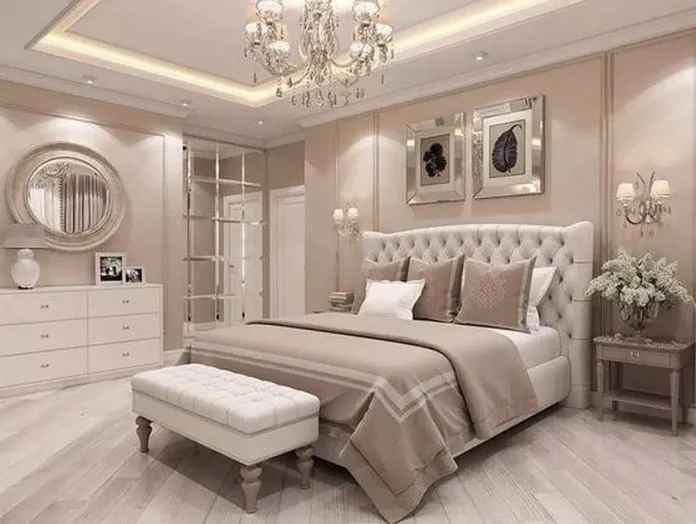
Beige: calm and neutral
-
Peach: welcoming and warm
-
Light brown: down-to-earth and grounded
Bright and lively colors:
-
Red: Full of passion, but only use it sparingly
-
Yellow: Happy and bright
-
Orange: Full of life and energy
A well-balanced bedroom colour design makes good use of these colors to achieve harmony.
Trends in bedroom colour design

Following trends might help you make your bedroom look trendy and stylish.
1. Minimalism that is neutral
White, cream, and gray are neutral colors that never go out of style. They make things look neat and clean.
2. Walls with Two Colors
Adding depth and intrigue to your bedroom by mixing two hues that go well together.
3. Tones of Earth
Colors like terracotta, olive green, and sandy beige are becoming more fashionable because they look warm and natural.
4. Light Colors
Soft pastel hues make a room feel bright and airy, which is great for small bedrooms.
These trends make choosing colors for bedroom colour design both attractive and useful.
How to Pick the Right Color Pair
It can be hard to choose the right colors, but there are several easy rules that can help.
Advice on Picking Colors:
-
Use 2 to 3 colors to keep things balanced.
-
For small rooms, choose softer colors.
-
Use one accent color with neutrals.
-
Think about how the light comes into your room.
Some Examples of Combinations:
-
White, gray, and blue
-
Brown, cream, and beige
-
Pink, white, and gold embellishments in pastel colors
A bedroom colour design that has been carefully planned will look good.
Best Bedroom Colour Design Ideas for Small Rooms
To make a small bedroom look bigger, you need to choose the right colors.
The best colors to choose are:
-
White and not white
-
A light shade of gray
-
Soft pastels
Tips for Designing:
-
Use just one color palette
-
Don’t paint all the walls dark hues.
-
Put up mirrors to bounce light around.
-
Keep the decor simple.
These tips will help you make the most of your bedroom space while also improving the color scheme.
Accent walls are a game-changer for how to design a bedroom

An accent wall can change the look of bedroom colour design right away without making it feel too busy.
Some popular ideas for accent walls are:
-
Paint finishes with texture
-
Patterns that look like shapes
-
Wallpapers with flowers
-
Panels made of wood
Tips for Placement:
-
Put a spotlight on the wall behind the bed.
-
Use bright colors just when you need to.
-
Make sure the other walls are neutral.
Accent walls give bedroom colour design more personality.
How Lighting Affects Colors
Lighting may make colors look very different in your bedroom.
Different kinds of lighting:
-
Light from the sun
-
Artificial lighting that is warm
-
LED lights that are cool
Advice:
-
Try out paint swatches in different kinds of light.
-
Use warm lights to make things feel homey.
-
Stay away from lights that are too bright.
Proper lighting enhances the beauty of your bedroom colour design.
Table: Popular Color Combinations and Effects in the Bedroom

| Color Combination | How it Affects Your Mood | Best For |
|---|---|---|
| White and Gray | Calm and modern | Small bedrooms |
| Blue and White | Calm and new | Places to relax |
| Brown and Beige | Warm and cozy | Traditional interiors |
| Green and Cream | Natural and calming | Eco-friendly designs |
| Pink and Gold | Stylish and classy | Modern bedrooms |
Things to Stay Away From When bedroom colour design
Even a tiny mistake can change how your bedroom looks as a whole.
Mistakes that happen a lot:
-
Using too many bright hues
-
Not paying attention to lighting conditions
-
Picking fashionable hues without thinking about comfort
-
Putting too much stuff in the room
-
Not trying out paint samples
If you don’t make these blunders, bedroom colour design will be a success.
How to Choose the Best Colors for bedroom colour design
1. Try it out before you paint
Before you make a decision, always test colors on a tiny part of the wall.
2. Stick to the 60-30-10 Rule
-
60% of the main color
-
30% color that isn’t the main one
-
10% color for accents
3. Use texture to provide depth
Mix colors with textures like wood, fabric, or wallpaper.
4. Make it personal
Pick colors that show who you are and what you like.
5. Change with the seasons
Change out soft furnishings like drapes and cushions to give the room a new look.
These professional tips can make it easy to improve the bedroom colour design.
Ideas for bedroom colour design that won’t break the bank

You don’t need a lot of money to make your bedroom seem great.
Ideas that won’t break the bank:
-
Instead of painting the whole room, paint just one wall.
-
Put stickers or decals on the walls
-
Put in colorful blankets and pillows.
-
Change the curtains to give the room a new look.
Small changes can have a major effect on the bedroom colour design.
Questions and Answers
1. What color should I paint the walls of my bedroom?
Blue, green, and other soft hues are great for making a space feel calm.
2. How many colors should I put in my bedroom?
For a design that looks well and is balanced, it’s best to utilize 2–3 colors.
3. Is it okay to use dark hues in bedrooms?
If you employ dark hues too much, they can make tiny rooms feel confined.
4. How do I pick a color for a small bedroom?
Use soft colors and few contrasts to make the room look bigger.
5. Is it okay to mix warm and cool colors?
Yes, but be cautious to keep them balanced so they don’t look messy.
Conclusion
With a little thought, the bedroom colour design may turn it into a tranquil and fashionable hideaway. You can make your bedroom look and feel good by learning about color psychology, picking the proper colors, and avoiding common mistakes.
Keep in mind that the finest design is one that shows off who you are while also keeping things in balance and harmony. The proper colors may make your fantasy bedroom come to life, no matter if you like simple or aggressive styles.
Try out different colors, trust your gut, and make a space that feels like home to you.

