
Creating an energy-efficient home is a proactive approach to reducing environmental impact while simultaneously lowering monthly utility expenses.
As global energy costs continue to fluctuate, homeowners are increasingly looking for ways to fortify their living spaces against thermal loss and excessive consumption.
Achieving a sustainable household involves a combination of structural upgrades, behavioral changes, and the integration of modern technology.
By addressing the primary areas where energy is wasted, you can transform your residence into a high-performance sanctuary that remains comfortable throughout every season of the year.
Maximizing Thermal Retention with Replacement Windows
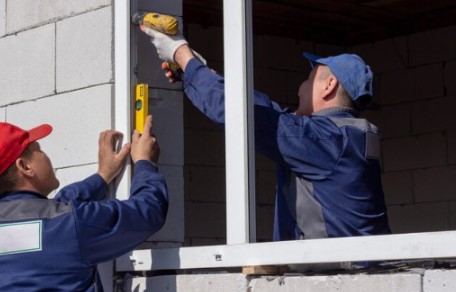
A significant portion of a home’s heating and cooling is lost through outdated or poorly sealed glass apertures. Transitioning to high-quality replacement windows is one of the most effective structural changes you can make to stabilize your indoor climate.
Modern replacement windows feature advanced technology such as low-emissivity coatings and inert gas fills between panes, which act as a powerful barrier against heat transfer.
By installing these efficient units, you ensure that your HVAC system does not have to work as hard to maintain a pleasant temperature, leading to a substantial decrease in energy demand.
Securing the Entryway with Exterior Door Replacement
The front and back entrances of a house are common culprits for air leakage and thermal bridges. Over time, frames can warp and seals can degrade, allowing conditioned air to escape and outside air to enter.
A professional exterior door replacement allows you to install a unit specifically designed with an insulating core and high-performance weatherstripping.
Modern materials used in an exterior door replacement, such as fiberglass or reinforced steel, offer much better insulation than traditional wood. This upgrade not only improves the home’s energy profile but also enhances security and curb appeal.
Enhancing Insulation in the Attic and Walls
Many older homes suffer from inadequate insulation, which allows heat to rise and escape through the roof during winter or penetrate the living space during summer. Adding or replacing insulation in the attic and within wall cavities creates a consistent thermal envelope.
High-grade materials like spray foam or mineral wool provide excellent resistance to heat flow. Properly insulating these hidden areas is a critical step in ensuring that the energy you pay for stays inside your home, providing a more uniform temperature across all floors and rooms.
Integrating Smart Thermostats and Lighting Controls
Technology plays a vital role in managing how energy is consumed on a daily basis. Smart thermostats allow homeowners to create precise heating and cooling schedules that align with their actual occupancy patterns.
These devices can learn your preferences and automatically adjust the temperature when you are away or asleep.
Similarly, replacing incandescent bulbs with LED alternatives and installing motion sensors or timers for lighting can drastically reduce electricity usage. These small, intelligent adjustments contribute to a more responsive and efficient domestic environment.
Maintaining HVAC Systems for Peak Performance
Even the most advanced heating and cooling systems will lose efficiency if they are not regularly serviced. Clogged filters and dirty coils force the equipment to consume more power to achieve the desired result.
Scheduling annual professional inspections ensures that every component is functioning correctly and that there are no leaks in the ductwork.
By keeping your HVAC system in top condition, you extend its operational lifespan and prevent the sudden spikes in energy consumption that occur when a unit is struggling to perform.

