
A reliable furnace is essential for keeping your home comfortable, especially during colder months. When it starts to struggle, it can quickly lead to uneven heating, rising energy bills, and unexpected breakdowns. Many homeowners face a common dilemma—should they fix the issue or invest in a new system? Understanding the signs early can help you make a smart, cost-effective decision without compromising comfort.
Why Furnace Maintenance Matters More Than You Think
Your furnace plays a central role in your home’s efficiency and overall comfort. When it operates properly, it keeps temperatures consistent while using energy efficiently. However, neglecting maintenance can lead to gradual wear and tear, which often goes unnoticed until a major problem occurs.
Regular upkeep not only extends the life of your furnace but also reduces the risk of sudden failures. It also helps maintain indoor air quality by ensuring clean airflow throughout your home. In the long run, staying proactive saves both time and money.
Common Signs Your Furnace Needs Attention
Before deciding whether to repair or replace your furnace, it’s important to recognize early warning signs. These signals often indicate that your system is under stress.
If your energy bills are steadily increasing without a clear reason, your furnace may be losing efficiency. Uneven heating is another common issue, where some rooms feel too warm while others remain cold. Strange noises, such as banging or rattling, can also suggest internal problems.
Frequent cycling—when your furnace turns on and off repeatedly—is another red flag. This often points to underlying issues that need immediate attention.
When Repairs Are Enough to Fix the Problem
Not every furnace issue requires a full replacement. In many cases, simple repairs can restore your system’s performance.
Minor mechanical issues, such as a faulty thermostat or clogged filters, are usually quick and affordable to fix. If your furnace is relatively new and hasn’t required frequent repairs in the past, addressing these small problems can extend its lifespan significantly.
Repairs are also the better option when costs are low and the system still operates efficiently. In these situations, replacing the entire unit would not be financially practical.
Clear Indicators It’s Time for a Furnace Replacement
There comes a point when repairs are no longer enough. Recognizing these signs can help you avoid wasting money on temporary fixes.
If your furnace is more than 15 to 20 years old, it may already be nearing the end of its lifespan. Older systems tend to lose efficiency and require more frequent repairs. When breakdowns become common, it’s often more cost-effective to consider a replacement.
Another key factor is repair cost. If fixing your furnace costs nearly half the price of a new system, replacing it is usually the smarter long-term choice. In such cases, homeowners often evaluate whether to either repair or replace your furnace based on efficiency, reliability, and future savings.
Cost Comparison: Repair vs Replacement
Short-Term vs Long-Term Costs
Repairs may seem more affordable upfront, but repeated fixes can quickly add up. If your furnace needs constant attention, those costs can exceed the price of a new unit over time.
On the other hand, replacing your furnace requires a higher initial investment. However, it eliminates recurring repair expenses and provides peace of mind.
Energy Savings with Modern Systems
Modern furnaces are designed to meet higher efficiency standards. This means they use less energy to produce the same level of heat. Over time, these savings can significantly reduce your monthly utility bills.
When comparing options, many homeowners find it helpful to either repair or replace your furnace based on long-term efficiency rather than immediate cost alone.
How to Make the Right Decision for Your Home
Choosing between repair and replacement depends on several factors. Start by evaluating the age and condition of your furnace. Older systems with frequent issues are usually better candidates for replacement.
Next, consider your budget and long-term plans. If you plan to stay in your home for many years, investing in a new, energy-efficient furnace can provide lasting benefits.
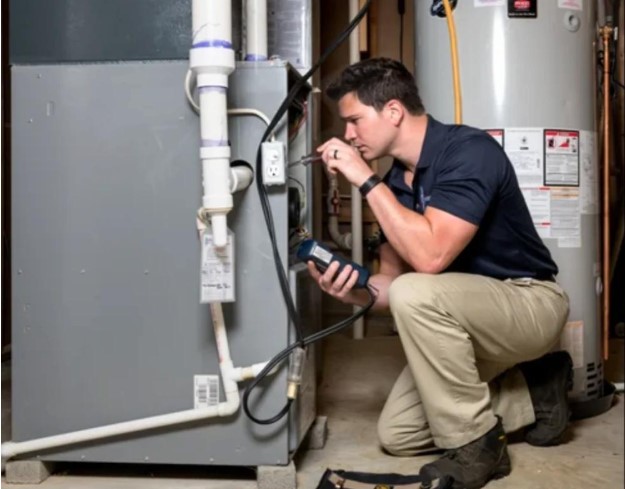
It’s also wise to consult a professional HVAC technician. A thorough inspection can reveal hidden problems and help you make an informed decision that suits your home’s needs.
Preventive Tips to Extend Furnace Lifespan
Taking simple steps can help you avoid costly repairs and extend the life of your furnace.
- Change air filters regularly to maintain proper airflow
- Schedule annual inspections to catch issues early
- Keep vents and ducts clean and unobstructed
- Monitor your thermostat for consistent performance
- Address small problems before they become major repairs
By following these practices, you can keep your furnace running efficiently and delay the need for replacement.
Conclusion
Knowing when to repair or replace your furnace can make a significant difference in your home’s comfort and energy efficiency. While minor issues can often be fixed with simple repairs, aging systems with frequent problems may require a full replacement.
Pay attention to warning signs such as rising energy bills, uneven heating, and repeated breakdowns. These indicators can help you decide when it’s time to act. Ultimately, choosing to either repair or replace your furnace should be based on long-term value, reliability, and your household’s comfort needs.
Making the right decision today can save you money, reduce stress, and ensure your home stays warm and efficient for years to come.

