
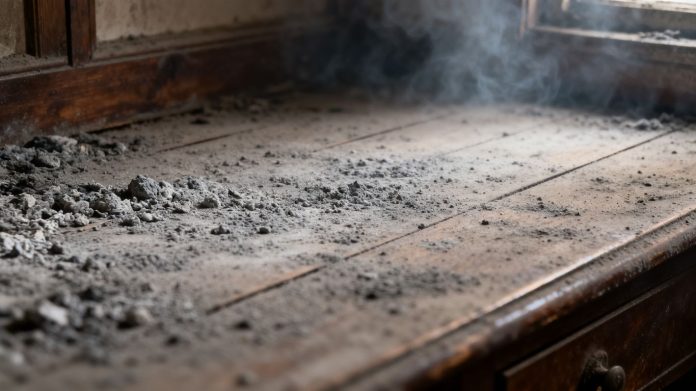
The Pervasive Nature of Smoke Particles
Wildfire smoke is more than just a temporary nuisance that makes the sky look hazy. The tiny particles and chemical compounds within the smoke can travel deep into your home, settling on surfaces, fabrics, and even within your HVAC system. These microscopic particles, often referred to as PM2.5, are small enough to bypass the body’s natural defenses and can lead to respiratory problems, particularly for children, older adults, and individuals with existing health conditions. The pervasive nature of these particles means that even after the visible smoke clears, your home can remain contaminated. Understanding the full extent of indoor air quality issues is important, as smoke damage inside homes may continue to pose health risks.
Harmful Components of Wildfire Ash
Wildfire ash, while appearing like simple dust, can carry a host of harmful substances. It can contain chemicals from burned structures, vehicles, and treated materials. When ash settles on and around your property, it doesn’t simply wash away with the rain. It can be tracked indoors, potentially contaminate water sources, and create ongoing health hazards for your family. This ash can settle on everything from your roof and outdoor furniture to the very air you breathe inside.
Lingering Health Risks from Smoke Residue
The health implications of wildfire smoke exposure can extend far beyond the immediate event. Smoke residue left behind on surfaces can continue to release volatile organic compounds (VOCs) into the indoor environment for weeks or even months. This prolonged off-gassing can be influenced by temperature, with warmer conditions leading to increased emissions. For vulnerable populations, these lingering contaminants can exacerbate existing health issues or cause new ones. It’s important to be aware of the presence of wildfire smoke indoors and its health consequences.
Assessing Interior Wildfire Smoke Damage
Once the immediate danger has passed and it’s safe to return, the next step is to figure out just how bad the smoke and ash have affected the inside of your home. This isn’t always obvious at first glance. Smoke particles are incredibly tiny, and they can sneak into places you wouldn’t expect, carrying with them a cocktail of unpleasant and potentially harmful compounds. Identifying the extent of this damage is key to knowing how to proceed with cleanup and restoration.
Here’s what to look for:
- Lingering Odors: That smoky smell is a tell-tale sign. It might be faint at first, but it can become more noticeable, especially in fabrics like carpets, upholstery, and curtains. The smell comes from volatile organic compounds (VOCs) that settle on surfaces and can continue to off-gas for weeks or even months, particularly when it’s warmer.
- Visible Discoloration: Keep an eye out for any subtle changes in color on your walls, ceilings, or even furniture. Smoke can leave a fine, often yellowish or brownish, film that might not be immediately apparent but can become more obvious over time.
- Fine Ash Particles: Even if you can’t see thick layers of ash, a fine, powdery residue can settle on virtually every surface. This includes countertops, shelves, electronics, and even inside cabinets and drawers. It’s important to test for these particles to gauge the level of contamination; soot testing can be a part of this assessment.
- HVAC System Contamination: Your heating, ventilation, and air conditioning (HVAC) system is a major pathway for smoke to spread throughout your home. Check your air filters – they might be completely clogged or blackened with soot. If the filters are this bad, it’s highly likely that the smoke particles have traveled through your ductwork and settled in other parts of the system, including the fan and coils. This contamination can continue to recirculate smoke odors and particles if not properly addressed. Understanding the full scope of smoke contamination is a critical part of the post-wildfire assessment process.
Immediate Steps to Mitigate Smoke Intrusion
When wildfire smoke is in the air, it doesn’t take long for it to find its way indoors. Even if the flames stay far away, the tiny particles in the smoke can settle quietly in every nook and corner of your home. Taking quick action can help limit smoke exposure and keep your indoor air a bit safer.
Securing Your Home Against Smoke Entry
The first thing to do is close up every opening to the outside.
- Shut all windows and doors, whether you’re home or away.
- Use damp towels or plastic sheeting to seal up any obvious gaps around doors and windows—it’s a fast DIY move that pays off.
- If your home has a fireplace or ventilation fans that open to the outside, keep those closed as well.
- Set your HVAC system to recirculate mode if it has one, to avoid drawing in smoky air from outside (seal any gaps around windows and doors).
It sounds simple, but doing this before the worst of the smoke arrives really does make a difference.
Managing Indoor Air Quality During Smoke Events
Turning your inside air into a safe zone takes some effort—especially when fine ash and smoke are everywhere outside. Here are some helpful steps:
- Run one or more air purifiers with HEPA filters in the main rooms, especially where people spend the most time.
- Make sure bathroom and kitchen fans are off if they vent air outside; otherwise, you might just be pulling more smoke in.
- Avoid burning candles or using anything that produces extra particles or strong smells—these just make things harder for your lungs.
- If you can, upgrade your HVAC filter to something higher-rated (like a MERV 13), and swap it out as often as needed during fire season (high-efficiency HVAC system filter).
Creating a Safe Indoor Environment
Once you’ve sealed up your house and set up your air filters, look for other ways to limit smoke exposure inside:
- Limit how often you and your family go outside, especially during those thick, smoky hours.
- If you start to notice smoky odors, it often helps to isolate one room as a temporary “clean space”—keep it closed off and run an air purifier in there for anyone with breathing trouble.
- Keep pets inside as well, and wash your hands and face after trips outdoors—you’d be surprised how much ash clings to skin and hair.
Wildfire smoke events can last for days, so anything that can reduce how much smoke gets in, and how long it sticks around, goes a long way toward keeping your home breathable. Even small things count, and they might be enough to prevent bigger problems later.
DIY Solutions for Minor Smoke Exposure
Even with the best precautions, wildfire smoke can find its way into your home. For less severe situations, there are several steps homeowners can take to start the cleanup and restoration process. These actions can help improve indoor air quality and address surface contamination.
Replacing and Maintaining HVAC Filters
One of the first and most important steps is to address your home’s heating, ventilation, and air conditioning (HVAC) system. Smoke particles, especially fine ash, can quickly clog filters, reducing efficiency and recirculating contaminants. It is recommended to replace your HVAC filter immediately after a smoke event. When selecting a replacement, consider using filters with a higher MERV rating (such as MERV 11 or 12) if your system can accommodate them, as these capture smaller particles more effectively. Ensure the filter is properly sealed within the filter housing to prevent air bypass. Continue to monitor and replace these filters frequently for several weeks following the event, even if they don’t appear heavily soiled, as residual odors and particles can continue to be drawn into the system. This proactive approach helps prevent the system from continuously reintroducing smoke into your living spaces.
Utilizing Air Purifiers Effectively
Portable air purifiers can be a valuable tool in combating smoke intrusion. Look for units equipped with both a HEPA (High-Efficiency Particulate Air) filter and an activated carbon filter. The HEPA filter is designed to capture at least 99.97% of airborne particles, including fine smoke and ash. The activated carbon component is crucial for adsorbing volatile organic compounds (VOCs) and odors that the HEPA filter alone cannot remove. Place these units in the rooms where you spend the most time, such as bedrooms and living areas. Run them continuously, especially during periods of poor outdoor air quality. Remember to follow the manufacturer’s instructions for filter replacement to maintain optimal performance. For more information on selecting the right air cleaner, resources are available to help choose an indoor air cleaner.
Cleaning Accessible Surfaces
Fine ash particles can settle on virtually any surface, even in areas that were kept closed. It is important to clean these surfaces to remove the residue and prevent it from becoming a long-term source of odor and contamination. Begin by gently vacuuming surfaces with a soft brush attachment on a vacuum cleaner equipped with a HEPA filter. For hard surfaces like countertops, walls, and floors, use a mild detergent solution. Avoid abrasive cleaners or excessive scrubbing, which can damage finishes. For fabrics, such as curtains or upholstery, gentle vacuuming is a good first step. If items like carpets or rugs seem heavily affected, consider gentle vacuuming with a HEPA unit as a starting point, but be aware that professional cleaning might be necessary for thorough decontamination.
The Importance of Professional Restoration
While some minor smoke and ash can be addressed with diligent DIY efforts, significant contamination often requires a more specialized approach. When smoke particles have deeply penetrated materials or when odors persist, professional restoration services become necessary. These experts possess the tools and knowledge to tackle damage that goes beyond surface cleaning.
When to Engage Restoration Experts
Homeowners should consider calling in professionals if they observe any of the following:
- Persistent smoke odors that don’t dissipate after initial cleaning.
- Visible discoloration or staining on walls, ceilings, or furniture.
- A feeling that the air quality hasn’t improved, even after changing filters.
- Extensive ash accumulation, especially in areas that are difficult to access.
- Ongoing health concerns among household members that seem linked to indoor air quality.
Engaging professionals quickly can prevent further damage and mitigate long-term health risks. For instance, ServiceMaster Restore offers services designed to address structural issues and soot remediation.
Professional Cleaning and Decontamination Techniques
Restoration companies utilize advanced methods and equipment that are not typically available to the average homeowner. This includes:
- Industrial Air Scrubbers: These machines use HEPA filters to capture microscopic particles from the air.
- Ozone or Hydroxyl Generators: These can neutralize odor molecules, though they require careful application.
- Specialized Cleaning Agents: Formulated to break down smoke residue without damaging surfaces.
- Thermal Fogging: A technique used to deodorize affected areas by releasing a fog that neutralizes odors.
These methods are applied after a thorough assessment to determine the extent of smoke and ash intrusion. Professionals aim to not just clean, but to truly decontaminate the environment.
Restoring HVAC Systems for Clean Air Circulation
The heating, ventilation, and air conditioning (HVAC) system is particularly vulnerable to smoke and ash. If contaminated, it can continuously recirculate smoky air throughout the home, making the problem worse. Professionals will:
- Conduct a detailed inspection of the entire HVAC system, including ductwork.
- Perform deep cleaning of ducts and components to remove trapped soot and ash.
- Replace contaminated filters and insulation.
- Test the system to confirm it is circulating clean air.
Proper restoration of the HVAC system is vital for achieving a truly smoke-free environment. Companies like Arizona Restoration Authority often work within specific regulatory frameworks to ensure compliant and thorough restoration.
Navigating Insurance Claims for Smoke Damage
Dealing with wildfire smoke and ash damage to your home can be a stressful experience, and understanding how to work with your insurance company is a key part of the recovery process. It’s important to approach this systematically to ensure you receive the coverage you are entitled to.
Documenting Damage for Insurance Purposes
Thorough documentation is the first step when filing any insurance claim. Take clear, detailed photographs and videos of all visible smoke and ash damage. This includes discoloration on walls and ceilings, residue on surfaces, and any damage to personal belongings. Keep a detailed log of all affected items and areas. It is vital to document everything before any cleanup begins, as this provides undeniable evidence of the extent of the damage. Also, keep all receipts for any emergency supplies you purchase or temporary housing you may need if your home becomes uninhabitable.
Understanding Policy Coverage for Smoke and Ash
Homeowners insurance policies typically cover damage caused by smoke and ash from wildfires, but the specifics can vary. Damage to the structure of your home, like walls and built-in fixtures, usually falls under your dwelling coverage. Personal property, such as furniture, clothing, and electronics, is typically covered under your contents coverage. Be aware that disputes can arise over whether items can be cleaned or need to be replaced, and whether invisible particles remain. It is important to understand that there should not be a special dollar limit for smoke damage, other than your overall policy limits. If you encounter issues, resources are available to help you understand insurance policies.
Working with Insurance Adjusters and Professionals
Insurance companies will likely send an adjuster to assess the damage. Cooperate with their inspections, but also take notes during all conversations. If you have doubts about the adjuster’s qualifications or the thoroughness of their inspection, consider hiring your own independent restoration specialist for a second opinion. Many policies require professional evaluation for smoke damage claims. When selecting professionals, look for certified restoration experts who can provide detailed assessments. If your insurer recommends a restoration company, you should still oversee their work and get cost estimates beforehand. If you are not satisfied with the work performed, or if a vendor causes further damage, document this and seek redress from their company, not by using your own insurance benefits. If your insurer denies your claim or offers insufficient coverage, you may need to challenge an insurer’s decision.
Preventative Measures for Future Wildfire Seasons
Wildfires are becoming a more frequent concern for many communities, and preparing your home in advance can make a significant difference when smoke and ash become a problem. Taking proactive steps can help minimize intrusion and protect your indoor environment before the next fire season arrives.
Home Hardening Strategies
Making your home more resistant to smoke and ash penetration is a key part of preparation. This involves addressing potential entry points and improving your home’s overall resilience. Consider these actions:
- Seal air leaks: Pay close attention to gaps around windows, doors, and any utility penetrations. Weatherstripping and caulk can be effective in blocking small openings.
- Upgrade air filtration: Install high-quality air filters in your HVAC system. Look for filters with a MERV rating that can capture fine particles. Regularly changing these filters is vital for maintaining air quality.
- Consider exterior materials: While a larger project, upgrading to fire-resistant roofing and siding materials can offer long-term protection.
- Manage vegetation: Create defensible space around your property by clearing dry brush and flammable materials. This not only helps protect against flames but can also reduce the amount of ash that settles near your home.
Emergency Preparedness for Smoke Events
Having a plan in place for smoke events can reduce stress and ensure your family’s safety. Think about how you will manage indoor air quality and what supplies you might need.
- Stock up on filters: Keep extra HVAC filters on hand, especially during fire season. You may need to replace them more frequently than usual.
- Invest in air purifiers: Portable air purifiers with HEPA filters can be invaluable for creating cleaner air zones within your home, particularly in bedrooms or main living areas. Protecting your indoor air quality during smoke events is a priority.
- Prepare respiratory protection: Ensure you have N95 masks available for all household members. These are more effective than cloth masks for filtering out fine smoke particles.
- Develop an evacuation plan: While focused on smoke, having a family evacuation plan is always prudent in wildfire-prone areas.
Maintaining Air Filtration Systems
Your HVAC system and portable air purifiers are your first line of defense against indoor smoke. Proper maintenance is not a one-time task; it requires ongoing attention.
- Regular filter checks: Don’t wait for your filters to become visibly clogged. Check them regularly, especially during periods of poor air quality, and replace them as needed.
- Clean purifiers: Follow the manufacturer’s instructions for cleaning your portable air purifiers. This often involves cleaning the pre-filter and replacing the HEPA filter at recommended intervals.
- System checks: Periodically inspect your HVAC system’s intake vents for any signs of ash or debris. Sealing off openings like vents can also prevent smoke from entering the system in the first place.

