

Plumbing is one of the most essential systems in every home, office, and commercial building. Without a reliable plumbing system, daily activities such as cooking, bathing, cleaning, and sanitation become difficult. Quality plumbing work ensures that clean water reaches every fixture while wastewater is safely removed. Whether you are constructing a new property, renovating an existing one, or simply fixing a leaking tap, understanding the basics of plumbing can help you make informed decisions.
Professional plumbing involves much more than repairing leaks. It includes designing water supply systems, installing drainage networks, fitting fixtures, maintaining pipelines, and ensuring compliance with building standards. Modern plumbing solutions also focus on water conservation, energy efficiency, and long-term durability. Investing in quality materials and skilled professionals reduces maintenance costs and prevents expensive emergencies. This guide explains everything you need to know about plumbing systems, common services, maintenance practices, and practical tips for homeowners.
Why Plumbing Work Is Important
Every building depends on a properly functioning plumbing system. Clean water is required for drinking, cooking, washing, and sanitation, while wastewater must be safely carried away to maintain hygiene. Efficient plumbing work protects your property from leaks, mold growth, structural damage, and water wastage. Poor installation or neglected maintenance can lead to expensive repairs and health hazards.
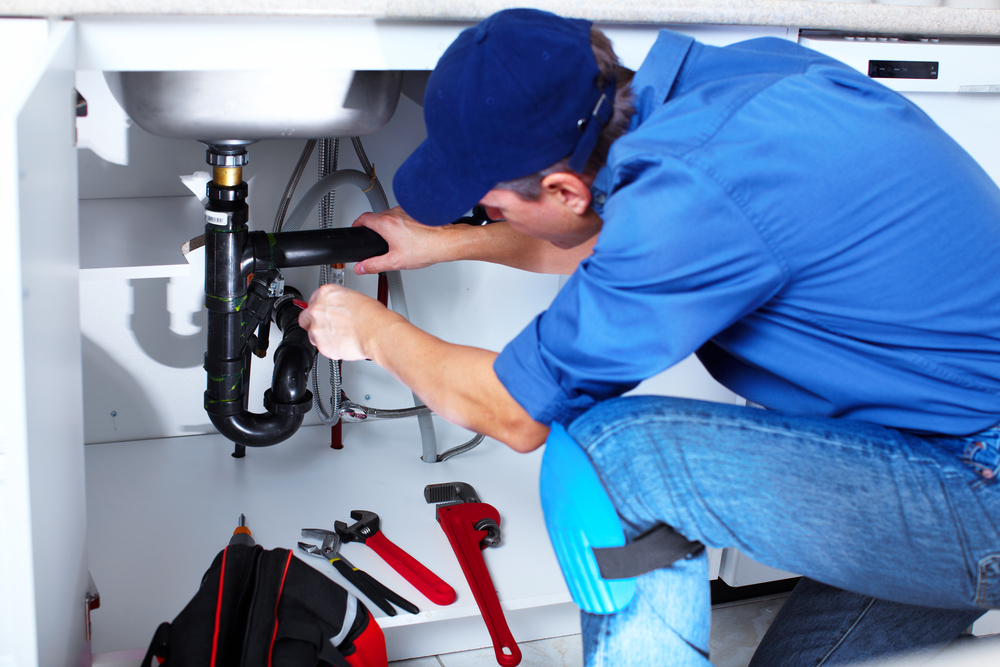
Modern plumbing systems also contribute to environmental sustainability by reducing water consumption through efficient fixtures and leak prevention. High-quality plumbing installations improve water pressure, reduce utility bills, and increase property value. Businesses such as hotels, hospitals, schools, and restaurants rely heavily on dependable plumbing systems to maintain daily operations.
Professional plumbers understand local building regulations, proper installation techniques, and safety standards. Their expertise ensures that every component works together efficiently. Whether it is a residential house or a commercial complex, quality plumbing creates a safer, healthier, and more comfortable living environment.
Types of Plumbing Work
Different projects require different plumbing services depending on the property’s needs. Understanding these categories helps homeowners select the right solution.
Residential Plumbing
Residential plumbing includes water supply systems, bathroom fittings, kitchen sinks, toilets, water heaters, showers, and drainage installations. Homeowners frequently require repairs for leaking faucets, clogged drains, pipe replacements, and fixture upgrades.
Commercial Plumbing
Commercial buildings have larger and more complex plumbing systems. Offices, hotels, malls, hospitals, and schools require heavy-duty pipelines, multiple washrooms, advanced drainage systems, and regular maintenance to handle higher water usage.
Industrial Plumbing
Industrial facilities require specialized plumbing systems designed to transport chemicals, gases, and large quantities of water safely. These systems demand experienced professionals and strict compliance with safety regulations.
Emergency Plumbing
Emergency services address urgent issues such as burst pipes, overflowing toilets, blocked sewer lines, and major leaks that require immediate attention to prevent extensive property damage.
Common Plumbing Services
Professional plumbers perform a wide variety of services that keep buildings functioning efficiently. Some of the most common services include:
- Leak detection and repair
- Pipe installation and replacement
- Drain cleaning
- Sewer line maintenance
- Bathroom plumbing installation
- Kitchen sink repairs
- Water heater installation
- Faucet and shower replacement
- Toilet installation and repair
- Water pressure correction
- Emergency plumbing services
Each service requires proper tools, quality materials, and technical expertise to ensure lasting performance and safety.
Essential Tools Used in Plumbing Work
Professional plumbers rely on specialized equipment to complete installations and repairs accurately. Using the right tools improves efficiency and minimizes damage during repairs.
| Tool | Primary Purpose |
|---|---|
| Pipe Wrench | Tightening and loosening pipes |
| Adjustable Wrench | Working with plumbing fittings |
| Pipe Cutter | Cutting copper and plastic pipes |
| Plunger | Clearing minor drain blockages |
| Drain Snake | Removing deep clogs |
| Plumber’s Tape | Sealing threaded pipe joints |
| Basin Wrench | Installing sink faucets |
| Pipe Inspection Camera | Detecting hidden pipe issues |
Modern plumbing professionals may also use leak detection equipment, pressure testing devices, and digital inspection cameras to diagnose problems accurately without unnecessary wall or floor damage.
Signs Your Home Needs Plumbing Work
Many plumbing problems begin as small issues before becoming major repairs. Identifying warning signs early helps homeowners avoid expensive damage. If you notice continuously dripping faucets, low water pressure, unusually high water bills, unpleasant drain odors, or slow drainage, your plumbing system may require immediate attention.
Other warning signs include water stains on walls or ceilings, damp flooring, noisy pipes, rust-colored water, and recurring drain blockages. These symptoms often indicate hidden leaks, aging pipes, or drainage problems that should not be ignored.
Scheduling timely plumbing work prevents structural damage, mold growth, and costly emergency repairs. Regular inspections help identify hidden issues before they become serious. Preventive maintenance is often much less expensive than repairing extensive water damage caused by neglected plumbing systems.
Choosing the Right Materials for Plumbing
The quality of plumbing materials directly affects the durability and efficiency of the entire system. Modern plumbing uses several types of pipes depending on the application.
Copper pipes remain popular because they are durable, corrosion-resistant, and suitable for hot and cold water supply. PVC pipes are lightweight, affordable, and commonly used for drainage systems. CPVC pipes are designed for hot water applications and provide excellent heat resistance.
PEX piping has become increasingly popular because it is flexible, easy to install, resistant to freezing, and requires fewer fittings. Stainless steel and galvanized pipes are also used in specific applications where additional strength or corrosion resistance is required.
Selecting high-quality fixtures such as faucets, valves, and connectors further improves the reliability of the plumbing system and reduces future maintenance costs.
Tips for Maintaining Your Plumbing System
Routine maintenance extends the life of your plumbing system while reducing repair expenses. Homeowners can prevent many common issues through simple maintenance practices.
Some useful maintenance tips include:
- Inspect pipes regularly for leaks.
- Avoid pouring grease into kitchen drains.
- Clean drain strainers frequently.
- Repair dripping faucets promptly.
- Test water pressure occasionally.
- Flush the water heater annually.
- Protect outdoor pipes during winter.
- Schedule professional inspections every year.
Preventive maintenance keeps plumbing systems operating efficiently and reduces the risk of unexpected breakdowns. Small repairs completed early often prevent larger and more expensive problems later.
Factors That Affect Plumbing Costs
The cost of plumbing work varies depending on several important factors. The complexity of the project is one of the biggest influences. Simple faucet repairs cost significantly less than replacing an entire piping system or installing plumbing for a new home.
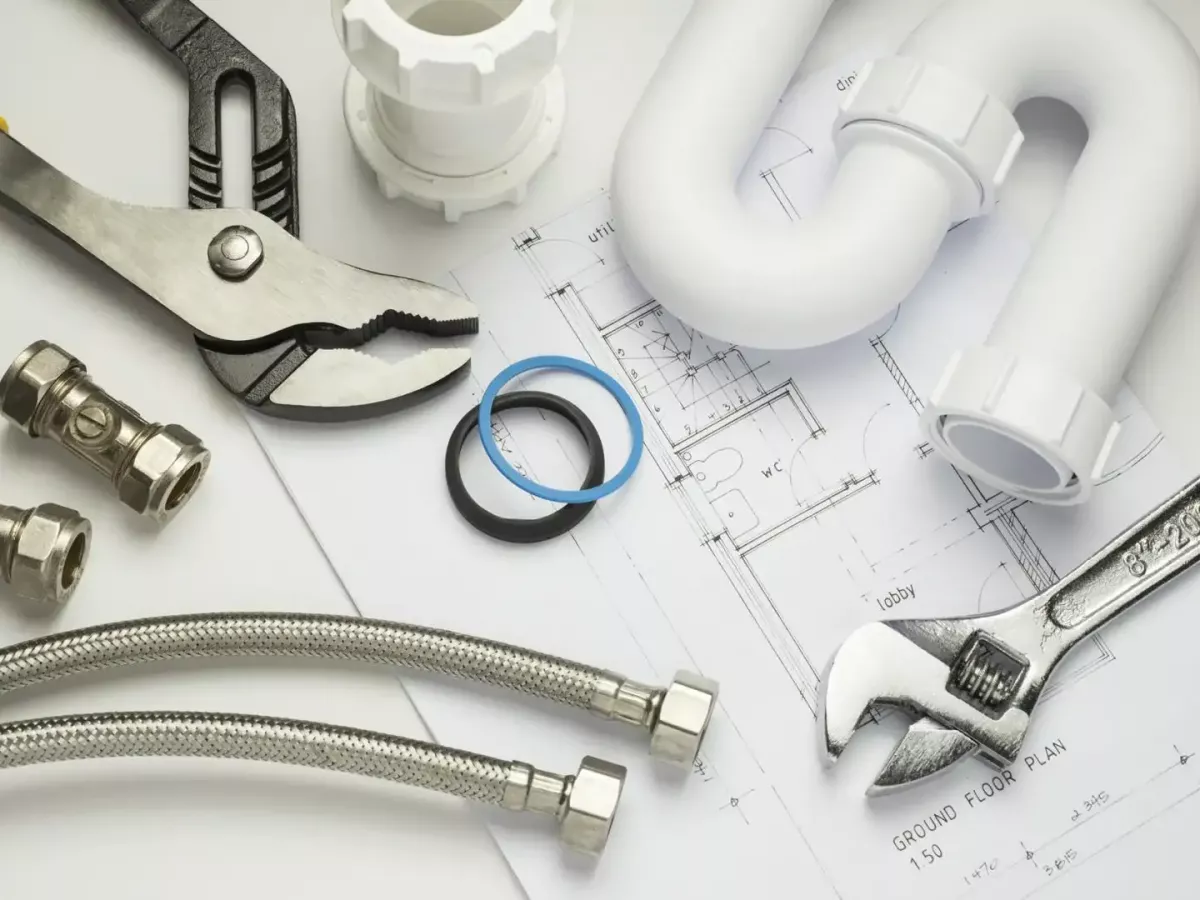
Material quality also affects pricing. Premium pipes, fixtures, and fittings generally cost more but provide better durability and require less maintenance. Labor costs vary depending on the plumber’s experience, project location, and local market conditions.
Emergency repairs often involve additional charges because they require immediate service outside normal working hours. Accessibility is another important factor, as plumbing hidden behind walls or beneath floors usually requires more labor. Obtaining multiple estimates and discussing project details beforehand helps homeowners plan their budget effectively.
Benefits of Hiring a Professional Plumber
Although some homeowners attempt DIY repairs, hiring an experienced plumber offers significant advantages. Professionals possess the knowledge, tools, and training required to diagnose problems accurately and complete repairs safely.
Properly performed plumbing work reduces the risk of future leaks, water damage, and repeated repairs. Professional plumbers follow local building regulations, ensuring that installations meet safety standards. They can also identify hidden issues that inexperienced homeowners might overlook.
Professional services often include workmanship guarantees, giving homeowners greater confidence in the quality of repairs. Hiring qualified experts ultimately saves time, reduces stress, and minimizes long-term maintenance expenses while protecting your property’s value.
Modern Trends in Plumbing Work
The plumbing industry continues to evolve with innovative technologies that improve efficiency and sustainability. Smart leak detection systems automatically monitor water usage and alert homeowners to potential leaks before significant damage occurs. Touchless faucets improve hygiene while reducing water consumption.
Tankless water heaters provide energy-efficient hot water on demand without requiring large storage tanks. Water filtration systems improve drinking water quality, while low-flow toilets and showerheads help conserve water without sacrificing performance.
Eco-friendly plumbing materials and sustainable installation methods are becoming increasingly popular in residential and commercial construction. These innovations reduce environmental impact while lowering utility costs for property owners.
Conclusion
Reliable plumbing is essential for every modern building, supporting comfort, hygiene, and daily convenience. Investing in professional plumbing work during installation, repairs, and routine maintenance helps prevent costly problems while extending the lifespan of the entire plumbing system. From selecting quality materials to recognizing early warning signs and performing regular maintenance, every step contributes to a dependable and efficient water supply. Whether you are building a new home, renovating an existing property, or addressing a minor repair, choosing experienced professionals ensures safe and long-lasting results. A well-maintained plumbing system not only protects your investment but also improves water efficiency, enhances property value, and provides peace of mind for years to come. By understanding the fundamentals of plumbing and following proper maintenance practices, homeowners can enjoy reliable performance while avoiding unexpected plumbing emergencies.

