
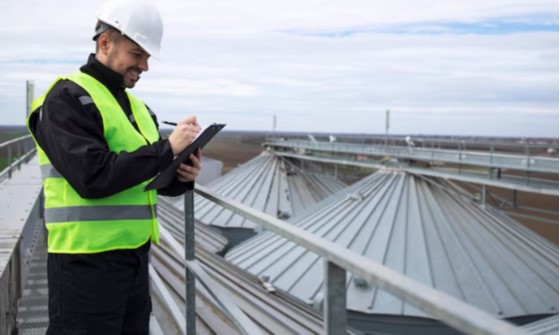
Managing a large industrial or commercial property requires constant vigilance, and protecting the building envelope from weathering is one of the most critical structural responsibilities.
Over years of exposure to harsh ultraviolet radiation, torrential downpours, and thermal expansion, flat and low-slope roofs inevitably degrade, leading to leaks and costly interior damage.
Replacing an entire roofing system is an expensive, disruptive undertaking that many property managers prefer to avoid.
Applying high-performance commercial roof coatings offers a cost-effective, sustainable alternative that waterproofs surfaces and extends building life. Evaluating specific technical factors ensures you select the optimal protective membrane for your property.
Assessing Local Climate Compatibility and Weather Resistance
The local environmental conditions surrounding your facility play a massive role in determining which chemical formulation will perform best over time. Different regions experience intense solar heat, prolonged freezing temperatures, or high humidity, all of which stress roofing membranes differently.
When evaluating commercial roof coatings, you must analyze how specific products handle thermal shock and UV degradation without cracking or blistering. Choosing a formula engineered specifically for your regional climate ensures maximum durability and long-term leak prevention.
Evaluating Material Chemistry and Substrate Compatibility
Not all protective membranes adhere equally to every roofing substrate, whether your building features built-up roofing, modified bitumen, metal panels, or single-ply membranes.
Selecting the correct commercial roof coatings requires matching the chemical composition of the liquid product—such as silicone, acrylic, or polyurethane—with your existing roof deck material.
Proper chemical bonding prevents premature peeling, delamination, and moisture infiltration beneath the protective layer. Consulting with material manufacturers ensures seamless compatibility and structural integrity.
Measuring Solar Reflectivity and Energy Efficiency Benefits
Energy conservation is a major priority for commercial property owners looking to lower monthly utility expenditures and meet corporate sustainability goals.
Premium commercial roof coatings often feature high solar reflectance and thermal emittance ratings that bounce sunlight away rather than absorbing heat into the building.
This reflective barrier significantly reduces interior cooling loads during peak summer months, lowering air conditioning costs. Investing in reflective chemistry enhances indoor comfort while reducing the property overall carbon footprint.
Analyzing Tensile Strength, Elasticity, and Elongation Properties
Commercial roofs expand and contract continuously due to drastic daily temperature fluctuations, placing extreme mechanical stress on the waterproofing membrane.
A high-quality commercial roof coatings system must possess exceptional tensile strength and elongation capabilities to stretch and recover without tearing.
Elastomeric properties allow the liquid-applied membrane to bridge minor hairline cracks and move fluidly with the building structural shifts. High elasticity prevents water from finding entry points during extreme weather events.
Reviewing Manufacturer Warranty Lengths and Product Lifespans
Protecting a large commercial real estate investment requires financial security backed by comprehensive manufacturer warranties and proven performance track records.
Reviewing warranty terms clarifies whether coverage includes material defects, labor costs, and ponding water protection over a ten, fifteen, or twenty-year period.
Reputable product lines often require installation by certified contractors to validate these guarantees. Selecting a well-documented, tested product ensures peace of mind and predictable long-term maintenance budgets.
Balancing Material Costs and Long-Term Maintenance Value
Budgetary constraints are always present during commercial facility renovations, but choosing the cheapest upfront option can result in frequent, costly repairs down the road.
Conduct a comprehensive life-cycle cost analysis that weighs initial material and labor expenses against expected longevity and deferred replacement costs.
Premium protective systems require fewer repairs and extend the life of your underlying roof deck by decades. Prioritizing long-term value delivers the highest return on investment for your facility maintenance program.

