
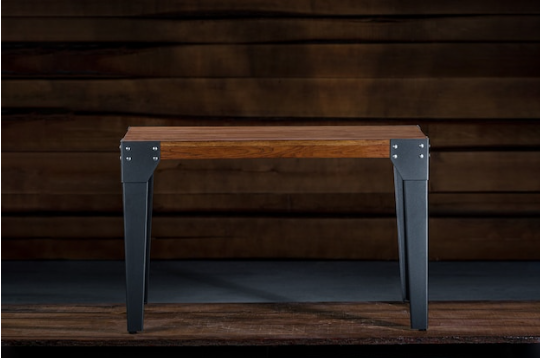
Custom furniture builders and designers know that small details often make the biggest difference, and choosing the right table legs can define the entire character of a finished piece. Whether working on a statement dining table, a boutique office desk, or a one-of-a-kind coffee table, selecting legs that balance style, strength, and craftsmanship elevates the entire project far beyond something generic or mass-produced.
1. Sculptural and Artistic Designs
For designers looking to make a bold visual statement, sculptural table legs crafted from curved metal, carved wood, or geometric shapes can transform a simple tabletop into a genuine art piece.
These designer table legs often serve as the focal point of the furniture, drawing the eye and sparking conversation in ways that traditional straight legs simply cannot achieve on their own.
2. Mixed-Material Combinations
Custom furniture projects increasingly incorporate mixed materials, pairing wood tabletops with metal, acrylic, or stone-based table legs to create striking visual contrast.
This combination allows designers to blend warmth and industrial edge within a single piece, offering clients a unique aesthetic that feels both modern and thoughtfully crafted rather than store-bought or ordinary.
3. Custom Finishes and Textures
Beyond shape and material, finish plays a significant role in how table legs contribute to a piece’s overall personality and presence.
Brushed brass, matte black powder coating, hand-applied patinas, or natural wood stains all offer distinct visual effects, allowing designers to match legs precisely to a client’s interior style or brand identity for commercial spaces and residential homes alike.
4. Structural Engineering for Unique Shapes
Custom projects often call for unconventional tabletop shapes, requiring table legs engineered specifically to support unusual weight distributions or cantilevered designs.
Working with skilled fabricators ensures these creative structures remain stable and durable, preventing wobbling or long-term structural issues despite their unconventional or experimental appearance and form.
5. Adjustable and Modular Options
For furniture makers designing pieces meant to adapt across different spaces or uses, modular or adjustable table legs offer valuable flexibility for the end user.
These designs allow height adjustments or quick disassembly for transport, making them particularly useful for clients who move frequently or require furniture suited to multiple room configurations over time.
6. Matching Legs to Overall Design Language
When designing custom furniture, table legs should never feel like an afterthought separate from the tabletop itself.
Thoughtful designers consider proportion, visual weight, and stylistic continuity, ensuring legs complement rather than compete with the tabletop material, edge treatment, and overall silhouette of the finished piece, while also sourcing quality craftsmanship that can support the design’s structural demands over years of use.
Final Thoughts
Selecting the right table legs for a custom furniture project requires balancing artistic vision with structural integrity, ensuring the finished piece is as durable as it is visually striking. By thoughtfully considering material, finish, and engineering alongside overall design language, furniture makers can create truly memorable pieces that stand out while standing the test of time, ultimately delivering something clients will value and use for many years to come.

