
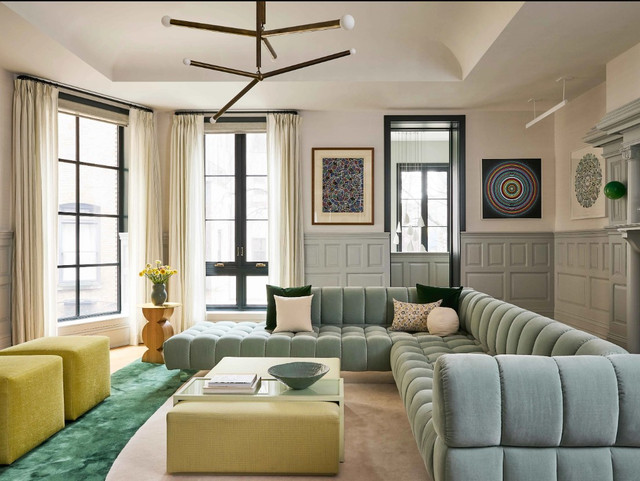
The living room is one of the most important areas in any home. It serves as a place where families gather, guests are entertained, and individuals relax after a long day. Choosing the right furniture for living room spaces can completely transform the appearance, comfort, and functionality of your home. Whether you’re decorating a new house or upgrading an existing space, selecting furniture that complements your lifestyle is essential.
Modern homeowners seek a balance between beauty and practicality. Comfortable seating, smart storage, elegant tables, and decorative accents all contribute to creating a welcoming environment. The right furniture not only enhances the room’s aesthetics but also improves everyday living.
This comprehensive guide explores everything you need to know about selecting the ideal furniture for living room interiors, including design ideas, materials, layout tips, maintenance advice, and common mistakes to avoid.
Why Choosing the Right Furniture Matters
Your living room often creates the first impression of your home. Well-selected furniture provides comfort while reflecting your personality and interior design preferences. Since this space is used frequently, every furniture piece should offer durability alongside visual appeal.
:strip_icc()/sitting-area-white-brick-fireplace-6quzpoux4Ss977O8nIWKn9-88f3fc9786034c3881ff4df13eea43a1.jpg)
High-quality furniture improves organization, maximizes available space, and supports different activities such as watching television, reading, working, or spending time with family. Investing in quality furniture also reduces replacement costs over time.
Additionally, the right arrangement can make even a small room appear larger and more inviting. Before purchasing any item, consider your room dimensions, color scheme, lighting, and daily usage.
Essential Furniture for Every Living Room
Every living room requires certain furniture pieces to create a comfortable and balanced environment. While personal preferences vary, these essential items form the foundation of most interiors.
- Comfortable sofa or sectional
- Coffee table
- Accent chairs
- TV unit or entertainment center
- Side tables
- Storage cabinets
- Bookshelves
- Floor or table lamps
- Ottomans
- Decorative console tables
Selecting the appropriate furniture for living room layouts ensures every piece serves both decorative and functional purposes.
Popular Types of Living Room Furniture
Different furniture styles suit different lifestyles and interior themes. Understanding your options helps you make better purchasing decisions.
Sofas and Sectionals
The sofa is the centerpiece of every living room. Available in fabric, leather, velvet, and modular designs, sofas should provide excellent comfort while complementing the room’s décor. Large families often prefer sectional sofas because they maximize seating.
Coffee Tables
Coffee tables provide both convenience and visual balance. They hold beverages, books, decorative items, and everyday essentials. Glass, wood, marble, and metal coffee tables remain popular choices.
Accent Chairs
Accent chairs add extra seating while introducing color, texture, and personality into the room. They are ideal for reading corners or conversation spaces.
Entertainment Units
TV units help organize electronics, gaming systems, books, and decorative accessories while keeping cables hidden for a cleaner appearance.
Storage Furniture
Cabinets, shelves, and console tables reduce clutter and improve organization without sacrificing style.
Choosing Furniture Based on Room Size
Room dimensions play a significant role when selecting furniture. Oversized furniture can overwhelm a small room, while tiny pieces may look out of place in larger spaces.
| Living Room Size | Recommended Furniture | Tips |
|---|---|---|
| Small | Loveseat, nesting tables, wall shelves | Use multifunctional furniture |
| Medium | Three-seat sofa, coffee table, TV unit | Maintain open walking paths |
| Large | Sectional sofa, accent chairs, storage units | Create separate conversation zones |
| Open Concept | Modular seating, console tables | Define areas using furniture placement |
Carefully measuring your room before shopping helps avoid costly mistakes.
Best Materials for Living Room Furniture
Furniture materials affect appearance, durability, maintenance, and price. Understanding each option helps you choose wisely.
Solid Wood
Solid wood remains one of the most durable and timeless furniture materials. Oak, teak, walnut, and maple offer exceptional strength while aging beautifully over time.
Engineered Wood
Engineered wood provides an affordable alternative while offering attractive finishes suitable for modern interiors.
Metal
Metal furniture creates an industrial or contemporary look. Steel and aluminum frames provide strength with minimal maintenance.
Glass
Glass tables make smaller rooms appear more spacious by allowing light to pass through.
Fabric Upholstery
Fabric sofas offer countless colors, textures, and patterns while providing everyday comfort.
Leather
Leather furniture combines luxury with durability and becomes more attractive as it ages.
Popular Living Room Furniture Styles
Interior design styles influence furniture selection. Matching furniture to your preferred aesthetic creates a cohesive appearance.
Modern Style
Modern furniture features clean lines, neutral colors, sleek finishes, and minimal ornamentation.
Contemporary Style
Contemporary interiors embrace current trends while incorporating mixed materials and bold statement pieces.
Traditional Style
Traditional furniture emphasizes elegant craftsmanship, carved wood, rich fabrics, and classic shapes.
Scandinavian Style
Scandinavian furniture focuses on simplicity, functionality, natural wood, and light colors.
Industrial Style
Industrial furniture combines metal frames, reclaimed wood, exposed hardware, and rugged finishes.
Choosing a consistent design style helps your furniture for living room arrangements feel balanced and visually appealing.
Color Selection Tips
Furniture color significantly influences the atmosphere of your living room.
Neutral shades such as beige, gray, white, and cream remain timeless choices because they complement almost every decorating style. Bold colors like navy blue, emerald green, mustard yellow, or charcoal create striking focal points.
If you frequently update your décor, neutral furniture allows you to change accessories instead of replacing major pieces.
For smaller rooms, lighter furniture colors make spaces feel brighter and larger.
How to Arrange Living Room Furniture
Furniture arrangement affects comfort, movement, and conversation.
Start by identifying the room’s focal point, such as a fireplace, television, or large window. Arrange seating to encourage conversation while maintaining clear walking paths.
Avoid pushing every furniture piece against the walls. Floating furniture creates more intimate seating areas and often makes rooms feel larger.
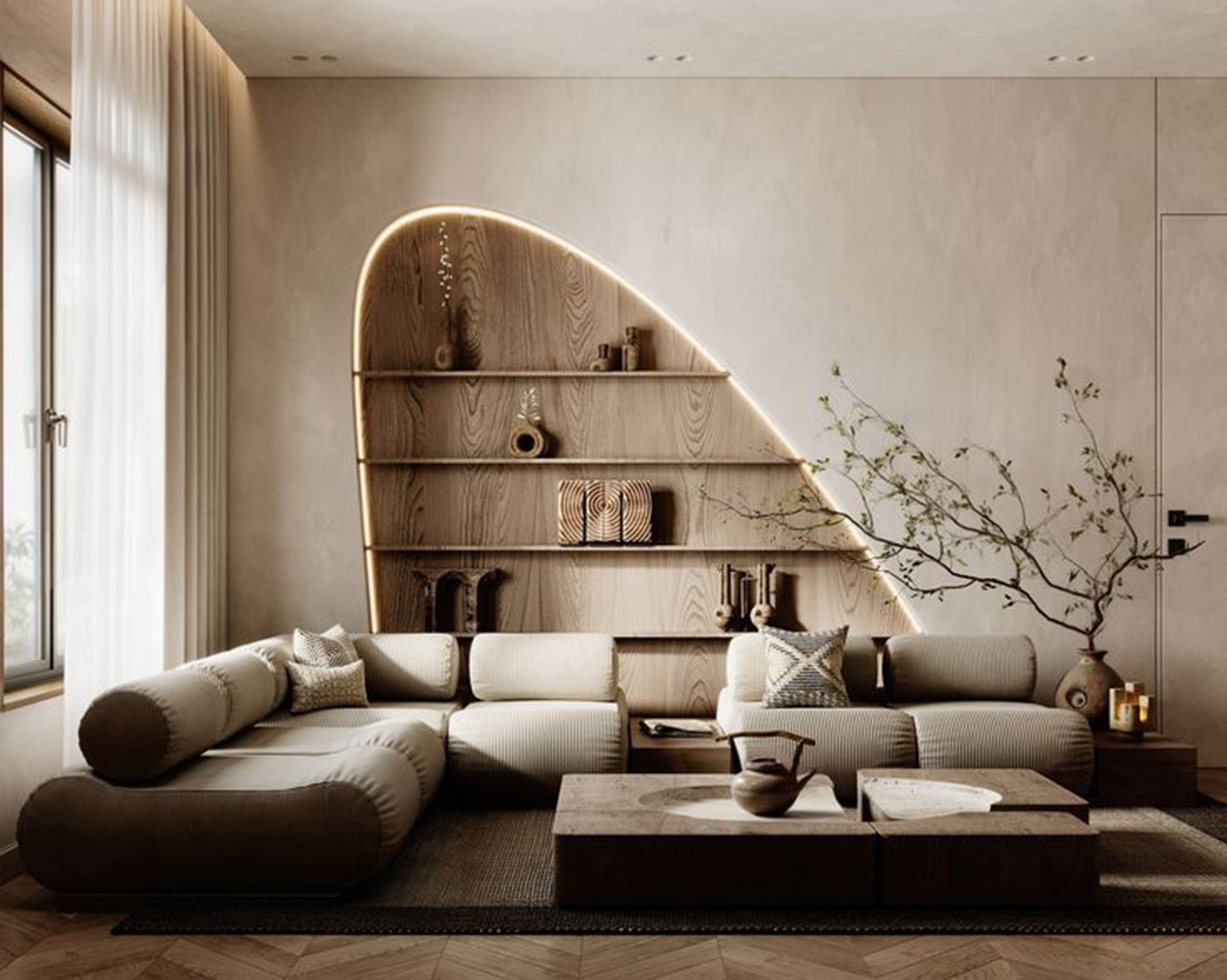
Leave enough space between furniture pieces for comfortable movement, typically around 18 inches between sofas and coffee tables.
A thoughtfully planned furniture for living room layout improves both functionality and aesthetics.
Multi-Functional Furniture for Modern Homes
Today’s homes often require furniture that serves multiple purposes.
Examples include:
- Sofa beds for overnight guests
- Storage ottomans
- Lift-top coffee tables
- Expandable side tables
- Modular seating systems
- Wall-mounted shelves
- Foldable desks
- Hidden storage benches
These smart furniture solutions maximize available space without sacrificing style, making them ideal for apartments and compact homes.
Maintenance Tips for Long-Lasting Furniture
Proper maintenance preserves both beauty and durability.
Dust furniture regularly using soft microfiber cloths to prevent dirt buildup. Use appropriate cleaning products based on furniture materials. Avoid placing furniture in direct sunlight for extended periods, as this may fade fabrics and damage wood finishes.
Rotate cushions regularly to maintain even wear. Clean spills immediately to prevent permanent stains.
Inspect screws, hinges, and joints periodically to ensure furniture remains stable and safe.
Routine maintenance significantly extends the lifespan of your investment.
Common Furniture Buying Mistakes
Many homeowners regret furniture purchases due to poor planning.
Common mistakes include:
- Buying without measuring the room
- Ignoring door and hallway dimensions
- Choosing style over comfort
- Purchasing low-quality materials
- Overcrowding the room
- Forgetting storage needs
- Mixing too many furniture styles
- Ignoring lighting conditions
Avoiding these errors helps you create a practical and beautiful living room that remains enjoyable for years.
Current Trends in Living Room Furniture
Furniture trends continue evolving to match changing lifestyles.
Some of today’s most popular trends include curved sofas, modular seating, natural wood finishes, textured fabrics, sustainable materials, multifunctional furniture, earthy color palettes, and minimalist designs.
Technology integration is also becoming increasingly common, with furniture featuring wireless charging stations, hidden cable management, and built-in storage.
Despite changing trends, timeless furniture with quality craftsmanship remains a worthwhile investment.
Budget Planning for Living Room Furniture
Creating a furniture budget helps prioritize essential purchases while avoiding unnecessary expenses.
Focus first on high-use items like sofas and coffee tables before investing in decorative pieces. Quality furniture often costs more initially but lasts much longer than inexpensive alternatives.
Shopping during seasonal sales, comparing materials, and selecting versatile designs provide better long-term value.
Balancing affordability with durability ensures your living room remains stylish without exceeding your financial goals.
Conclusion
Choosing the right furniture for living room spaces involves much more than selecting attractive pieces. Comfort, durability, functionality, room size, design style, and budget all play essential roles in creating a space that supports your everyday lifestyle. Thoughtful planning allows you to combine beauty with practicality while maximizing available space. From selecting the perfect sofa to arranging furniture for better flow, every decision contributes to a more welcoming and enjoyable home. Investing in quality materials, maintaining your furniture properly, and choosing timeless designs ensures lasting value for years to come.
Read more: Modern Furniture: The Complete Guide to Stylish and Functional Living Spaces

