
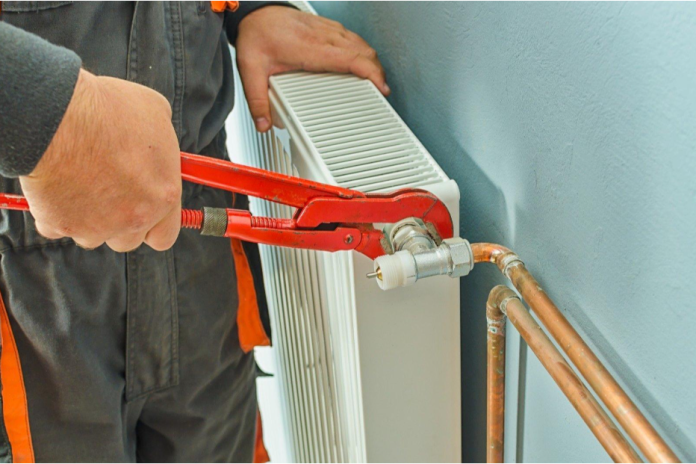
As the colder months approach, many homeowners in the UK notice their heating system behaving a little oddly—perhaps a slight delay in warming up the living room or an unfamiliar rattling sound from the boiler cupboard. These minor niggles often feel too insignificant to address immediately. Yet, left unchecked, small heating problems can quickly escalate into major headaches, involving expensive parts replacements or even full system overhauls.
Recognising these early warning signs and taking prompt action can save both money and discomfort. A timely heating system repair often resolves the issue before it compounds, keeping your home cosy and your energy bills in check. In this article, we explore some of the most common minor faults, why they matter, and how to prevent them from turning into costly crises.
Why Small Heating Issues Should Never Be Ignored
Heating systems, whether gas boilers, heat pumps, or electric setups, work hard during the UK’s unpredictable winters. Over time, everyday wear, dust accumulation, and minor component fatigue take their toll. What starts as a slightly sluggish radiator or a one-off strange noise can place extra strain on the entire system. The result? Higher energy consumption, reduced efficiency, and in the worst cases, complete breakdown at the most inconvenient moment.
Many homeowners dismiss these early symptoms because the system still “sort of” works. However, modern heating equipment is designed to run within tight tolerances. When one part underperforms, others compensate by working harder, accelerating wear across the board. Professional intervention at the first sign of trouble frequently costs far less than emergency call-outs during a cold snap.
Common Small Problems That Escalate Quickly
Several everyday issues frequently fly under the radar until they cause significant disruption. Here are some of the most typical culprits:
Clogged or Dirty Air Filters and Restricted Airflow
One of the simplest yet most overlooked problems is a blocked filter. Dust, pet hair, and debris gradually restrict airflow, forcing the system to labour harder to circulate warm air. You might notice weaker output from vents, uneven temperatures across rooms, or the system running for longer periods than usual.
If ignored, restricted airflow can lead to overheating of components, premature failure of fans or blowers, and even safety issues such as tripped limit switches. In severe cases, it contributes to higher energy bills and reduced indoor air quality as particles recirculate.
Thermostat Malfunctions or Incorrect Settings
A faulty thermostat or one that has lost calibration may cause the heating to cycle on and off too frequently (short cycling) or fail to reach the desired temperature. Batteries running low in wireless models or poor placement near heat sources can also mislead the device.
What begins as slight temperature inconsistencies can evolve into constant strain on the boiler or heat pump, shortening its lifespan and increasing wear on valves and pumps. In some instances, it leads to no heating at all when the system eventually misreads the room conditions.
Strange Noises from the System
Occasional gurgling, whistling, banging, or rattling sounds often signal trapped air, loose components, or early signs of pump or fan issues. Kettling noises in boilers, for example, frequently stem from limescale buildup or restricted water flow.
While a single noise might seem harmless, persistent sounds indicate mechanical stress. Over time, this can result in damaged heat exchangers, failed pumps, or even leaks that cause water damage to surrounding areas.
Low Boiler Pressure or Minor Leaks
A gradual drop in system pressure, sometimes accompanied by small drips around the boiler or pipework, is another common early indicator. This can arise from minor leaks at joints, a faulty pressure relief valve, or natural expansion vessel wear.
Unchecked, low pressure prevents the system from circulating water effectively, leading to cold radiators, no hot water, or complete shutdowns. What starts as a top-up requirement can progress to corrosion, larger leaks, and expensive component replacements.
Pilot Light or Ignition Problems
In older systems, a pilot light that frequently extinguishes or electronic ignition that hesitates can disrupt operation. Modern condensing boilers may display fault codes for flame detection issues caused by dirty sensors or minor gas supply fluctuations.
These glitches often worsen during cold weather when demand peaks, potentially leaving households without heat until a technician arrives.
Warning Signs That Demand Attention
Pay close attention to these indicators that small problems may be developing:
- Rising energy bills without increased usage or colder weather
- Uneven heating, with some rooms noticeably cooler than others
- The system taking longer than usual to reach comfortable temperatures
- Unusual odours, such as a burning or musty smell when the heating activates
- Frequent on/off cycling or the boiler shutting down unexpectedly
Addressing these promptly through professional assessment can prevent escalation.
Simple Maintenance Steps to Prevent Major Repairs
Preventive care plays a vital role in extending the life of your heating system. While some tasks require a qualified engineer, homeowners can handle several straightforward measures:
- Replace or clean air filters every one to three months during the heating season, depending on household conditions.
- Bleed radiators regularly to release trapped air and ensure even heat distribution.
- Check and top up boiler pressure when required, following manufacturer guidelines (typically aiming for 1–1.5 bar when cold).
- Keep vents and grilles clear of furniture, curtains, and dust.
- Test smoke and carbon monoxide detectors, as heating faults can sometimes affect safety systems.
- Schedule annual professional servicing before winter to catch hidden issues such as limescale, corrosion, or electrical wear.
These habits significantly reduce the likelihood of small faults developing into emergencies.
When to Call for Professional Heating System Repair
Knowing when to seek expert help is crucial. DIY attempts on gas appliances or complex electrical components can void warranties and pose safety risks. Contact a Gas Safe registered engineer if you notice:
- Persistent fault codes on the boiler display
- Water leaks that you cannot safely isolate
- Burning smells or unusual odours
- Complete loss of heating or hot water during cold weather
- Noises that increase in volume or frequency
Early heating system repair by a qualified technician often involves simple adjustments or part replacements that restore full functionality at a fraction of the cost of later major work.
Conclusion
Small heating problems rarely remain small for long in the demanding UK climate. By staying alert to early signs such as unusual noises, uneven warmth, or creeping energy costs, homeowners can intervene before minor faults spiral into expensive repairs or uncomfortable cold spells.
Regular maintenance combined with timely professional attention keeps systems efficient, safe, and reliable. Investing a little time and care now can deliver significant savings and peace of mind when temperatures drop.

