

Plumbing work is one of the most important aspects of every residential and commercial property. A properly installed and maintained plumbing system ensures a consistent supply of clean water while safely removing wastewater. Whether you are building a new home, renovating an old property, or handling minor repairs, understanding the basics of plumbing can save time, money, and future headaches. Modern plumbing systems are designed for efficiency, safety, and durability, but even the best installations require regular maintenance to remain in excellent condition. From fixing leaking faucets to installing water heaters and drainage systems, plumbing involves a wide range of specialized tasks. This comprehensive guide explains everything you need to know about plumbing systems, common problems, maintenance practices, and professional services so you can make informed decisions for your property.
Understanding Plumbing Work
Plumbing refers to the installation, repair, maintenance, and replacement of pipes, fixtures, valves, drainage systems, and water supply networks within a building. Professional plumbers ensure that fresh water reaches kitchens, bathrooms, laundry rooms, and outdoor spaces while wastewater is efficiently carried away through drainage systems.

The scope of plumbing work extends beyond fixing leaks. It includes installing water heaters, maintaining sewer lines, repairing burst pipes, fitting bathroom fixtures, installing kitchen sinks, inspecting pipelines, and upgrading plumbing systems during renovations. A properly designed plumbing system improves water efficiency, prevents property damage, and contributes to better hygiene and comfort.
Today’s plumbing industry also incorporates eco-friendly technologies, such as water-saving fixtures, smart leak detection devices, and energy-efficient water heating systems. These innovations help homeowners reduce utility bills while conserving natural resources.
Why Quality Plumbing Is Essential
A well-functioning plumbing system plays a critical role in maintaining a healthy and comfortable living environment. Poor plumbing can lead to water damage, mold growth, structural deterioration, and expensive repairs.
Some of the biggest benefits of quality plumbing include:
- Reliable clean water supply
- Efficient wastewater disposal
- Reduced water wastage
- Lower maintenance expenses
- Increased property value
- Improved hygiene and sanitation
- Better energy efficiency
Investing in professional plumbing services ensures that every component meets building standards and operates safely for many years.
Common Types of Plumbing Services
Professional plumbers perform various services depending on residential and commercial needs. Some jobs are routine maintenance tasks, while others involve complete system installations.
Residential Plumbing
Residential plumbing focuses on homes, apartments, and residential complexes. Typical services include repairing leaking taps, unclogging drains, replacing pipes, installing toilets, fixing showers, and servicing water heaters.
Commercial Plumbing
Commercial plumbing systems are generally larger and more complex than residential systems. Office buildings, hotels, hospitals, schools, and shopping centers require high-capacity plumbing installations capable of handling significant water usage throughout the day.
Emergency Plumbing
Emergency plumbing services address urgent situations like burst pipes, overflowing toilets, blocked sewer lines, broken water heaters, and major leaks. Immediate repairs help minimize water damage and restore normal operations quickly.
Essential Plumbing Components
Every plumbing system contains several interconnected components that work together efficiently. Understanding these parts helps homeowners recognize potential problems early.
| Plumbing Component | Primary Function | Common Issues |
|---|---|---|
| Water Supply Pipes | Deliver clean water | Leaks, corrosion |
| Drain Pipes | Remove wastewater | Blockages |
| Faucets | Control water flow | Dripping, worn seals |
| Water Heater | Heat household water | Sediment buildup |
| Toilets | Waste disposal | Running water, clogs |
| Valves | Control water pressure | Leakage |
| Sewer Line | Carry wastewater away | Tree root intrusion |
Regular inspections of these components help prevent unexpected failures and expensive repairs.
Signs Your Plumbing System Needs Attention
Plumbing issues often develop gradually before becoming major problems. Recognizing warning signs allows homeowners to schedule repairs before damage worsens.
Common indicators include:
- Low water pressure
- Slow-draining sinks
- Frequent toilet clogs
- Water stains on walls
- Unusual pipe noises
- Higher water bills
- Persistent foul odors
- Visible pipe corrosion
Ignoring these symptoms can result in extensive water damage, mold growth, or complete pipe replacement. Prompt repairs extend the lifespan of your plumbing system while maintaining household safety.
Important Plumbing Maintenance Tips
Routine maintenance significantly reduces repair costs and extends the life of plumbing systems. Preventive care is always less expensive than emergency repairs.
Here are several maintenance practices every homeowner should follow:
- Inspect visible pipes regularly.
- Fix small leaks immediately.
- Avoid pouring grease into drains.
- Clean drain strainers frequently.
- Test shut-off valves annually.
- Flush the water heater periodically.
- Monitor water pressure levels.
- Schedule professional inspections when necessary.
Proper maintenance minimizes unexpected plumbing failures while keeping water flowing efficiently throughout the property.
Modern Plumbing Technologies
Technology has transformed the plumbing industry by improving efficiency, safety, and water conservation. Homeowners now have access to advanced solutions that reduce maintenance and operating costs.
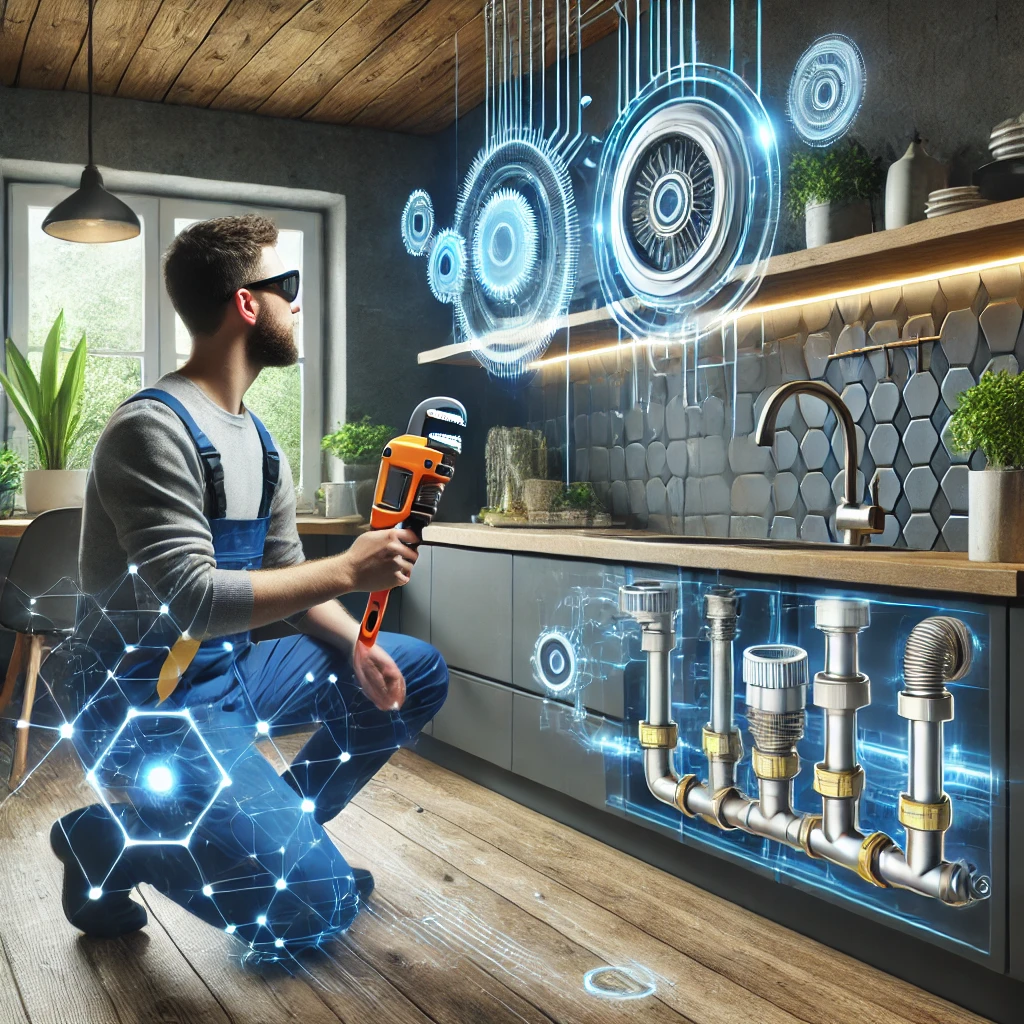
Popular innovations include smart leak detectors that notify homeowners immediately when leaks occur, helping prevent major water damage. Tankless water heaters provide hot water on demand while using less energy than traditional storage tanks. Water-efficient faucets and dual-flush toilets significantly reduce water consumption without sacrificing performance.
Many plumbers also use camera inspections to locate underground pipe problems without unnecessary digging. Hydro jetting equipment effectively removes stubborn drain blockages using high-pressure water instead of harsh chemicals.
These modern solutions make plumbing systems more reliable while promoting sustainable water usage.
Choosing the Right Materials for Plumbing
Selecting quality materials greatly impacts the durability and performance of a plumbing system. Different materials offer unique benefits depending on the application.
Copper pipes remain a popular option due to their strength, corrosion resistance, and long lifespan. PEX piping has become increasingly common because it is flexible, affordable, and easy to install. PVC pipes are widely used for drainage systems because they resist corrosion and require minimal maintenance.
When choosing fixtures, homeowners should prioritize durability, water efficiency, and manufacturer warranties. Investing in premium materials often reduces long-term repair costs and improves overall system reliability.
Professional plumbers can recommend the most suitable materials based on local building codes, water quality, climate conditions, and budget requirements.
Benefits of Hiring Professional Plumbers
Although some minor repairs can be completed by homeowners, many plumbing tasks require specialized knowledge and equipment. Professional plumbers possess the training needed to diagnose problems accurately and complete repairs safely.
Benefits of hiring experts include:
- Proper installation techniques
- Code-compliant workmanship
- Accurate problem diagnosis
- Access to specialized equipment
- Long-lasting repairs
- Improved system efficiency
- Reduced future maintenance costs
Professional services also provide peace of mind because experienced plumbers can identify hidden issues before they become expensive emergencies.
How to Reduce Plumbing Costs
Many homeowners assume plumbing repairs are always expensive, but proactive maintenance helps reduce overall costs considerably. Preventive care is the most effective strategy for avoiding emergency repairs.
Simple cost-saving strategies include repairing leaks immediately, installing water-saving fixtures, insulating exposed pipes during cold weather, avoiding chemical drain cleaners, and scheduling regular inspections.
Replacing outdated fixtures with efficient modern alternatives can also reduce monthly water bills while improving overall system performance. Investing in preventive maintenance ultimately saves far more money than waiting until major problems develop.
Common Plumbing Mistakes to Avoid
Many plumbing issues occur because of avoidable mistakes. Homeowners should understand these common errors to protect their plumbing systems.
Avoid these practices:
- Ignoring small leaks
- Flushing non-flushable items
- Using excessive drain chemicals
- Over-tightening plumbing fittings
- Delaying professional repairs
- Installing incorrect replacement parts
- Neglecting seasonal maintenance
Avoiding these mistakes helps extend the lifespan of pipes, fixtures, and appliances while reducing repair expenses.
Future Trends in Plumbing
The plumbing industry continues evolving with greater emphasis on sustainability, efficiency, and smart technology. Water conservation remains a major priority as environmental awareness increases worldwide.
Future plumbing systems are expected to feature advanced leak monitoring, automated water shut-off systems, improved filtration technology, and even more efficient water heaters. Sustainable building practices will continue driving demand for eco-friendly fixtures and recyclable plumbing materials.
Artificial intelligence may eventually help monitor household plumbing systems by predicting maintenance needs before failures occur. These innovations promise greater reliability while reducing environmental impact.
Conclusion
Reliable plumbing work is essential for maintaining a safe, comfortable, and efficient home or commercial property. From water supply systems and drainage networks to modern fixtures and smart technologies, every component contributes to the overall performance of your plumbing system. Regular inspections, preventive maintenance, quality materials, and professional installation help prevent costly repairs while extending the life of your plumbing infrastructure. Whether you are planning a renovation, building a new property, or simply maintaining an existing system, investing in dependable plumbing work ensures long-term reliability, improved water efficiency, and greater peace of mind. By understanding how plumbing systems function and following best maintenance practices, homeowners can protect their investment and enjoy uninterrupted water services for years to come.
Read more: Furniture for Living Room: The Complete Guide to Creating a Stylish and Functional Space

