

Urban living often limits access to large outdoor spaces, making rooftops one of the best places to create a peaceful green retreat. A thoughtfully planned terrace garden design transforms unused rooftop areas into refreshing spaces filled with plants, flowers, vegetables, and comfortable seating. Besides improving your home’s appearance, a terrace garden enhances air quality, reduces indoor temperatures, and provides a relaxing environment for family members. Whether your terrace is spacious or compact, proper planning can help you maximize every square foot. From selecting weather-resistant furniture to choosing the right plants and irrigation systems, each detail contributes to a functional and attractive garden. This comprehensive guide explains everything you need to know about designing a rooftop garden that combines beauty, practicality, and sustainability while remaining easy to maintain throughout the year.
Why Choose a Terrace Garden?
Creating a rooftop garden offers numerous environmental and personal benefits. Modern cities often lack greenery, and rooftops provide the perfect opportunity to introduce nature into daily life. A well-planned terrace garden design helps reduce heat absorption, making your home cooler during hot summer months. Plants naturally improve air quality by absorbing carbon dioxide and releasing oxygen, creating a healthier atmosphere around your home. Gardening also promotes mental well-being by reducing stress and encouraging relaxation after a busy day. Many homeowners use rooftop gardens to grow fresh herbs, vegetables, and fruits, reducing grocery expenses while enjoying organic produce. Additionally, a beautifully landscaped terrace increases property value and enhances the overall appearance of your home. Whether you prefer a peaceful reading corner, a vibrant flower garden, or a functional vegetable patch, a terrace garden offers endless possibilities for personalization.
Planning Your Terrace Garden Design
Before purchasing plants or furniture, careful planning is essential for long-term success. Begin by checking your terrace’s structural strength to ensure it can safely support soil, pots, water features, and furniture. Waterproofing the surface prevents leakage and protects the building below. Sunlight is another crucial factor, as different plants require varying amounts of direct sunlight. Observe your terrace throughout the day to determine which areas receive full sun, partial shade, or complete shade. A successful terrace garden design also includes proper drainage systems to prevent water accumulation during rainfall. Consider creating designated zones for seating, decorative plants, vegetables, and pathways. Planning these elements in advance ensures the space remains organized, visually appealing, and comfortable for daily use.
Essential Elements of a Beautiful Terrace Garden
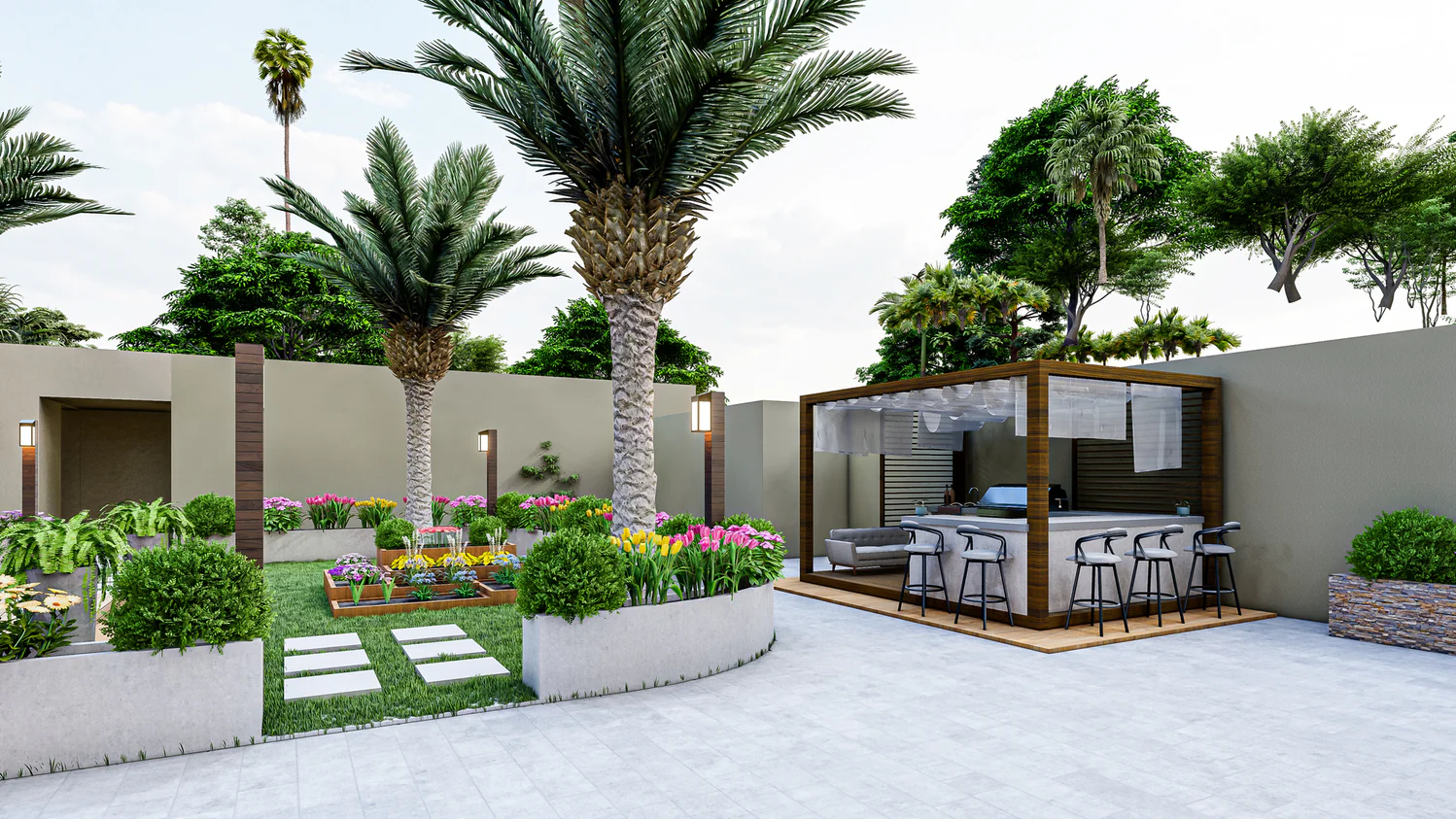
Several design components work together to create a balanced rooftop garden. Attractive planters made from ceramic, concrete, fiberglass, or recycled materials add style while supporting healthy plant growth. Comfortable outdoor furniture allows you to enjoy the space with family and guests. Decorative lighting creates a warm atmosphere during evenings, while pergolas or shade sails provide protection from harsh sunlight. Vertical gardens maximize greenery without occupying valuable floor space, making them ideal for smaller terraces. Water features such as small fountains introduce soothing sounds and improve the garden’s ambiance. Incorporating these elements into your terrace garden design creates a visually harmonious environment that feels welcoming throughout the year.
Popular Design Styles
Choose a style that complements your home:
- Modern minimalist garden
- Tropical rooftop retreat
- Mediterranean-inspired terrace
- Zen garden with stones
- Cottage flower garden
- Vegetable and herb garden
- Eco-friendly sustainable garden
Each style offers unique features while allowing personalization according to available space and preferences.
Best Plants for Rooftop Gardens
Plant selection depends on sunlight, climate, maintenance requirements, and personal preferences. Flowering plants such as marigolds, petunias, roses, hibiscus, and bougainvillea bring vibrant colors throughout the seasons. Ornamental plants like palms, ferns, snake plants, and crotons create attractive textures and foliage. Herbs including basil, mint, rosemary, coriander, and thyme thrive in containers and provide fresh ingredients for cooking. Vegetables such as tomatoes, chilies, spinach, lettuce, and eggplants are excellent choices for home gardening. Succulents and cacti require minimal care and withstand dry conditions effectively. Mixing flowering, ornamental, edible, and evergreen plants creates visual diversity while maintaining year-round beauty. Selecting native species also reduces maintenance and improves survival rates.
Space-Saving Ideas for Small Terraces
Limited rooftop space should never prevent you from creating a beautiful garden. Smart planning helps maximize available areas without making the terrace feel crowded. Vertical gardening systems allow plants to grow upward instead of outward, leaving more walking space. Hanging baskets add colorful flowers without occupying the floor. Folding furniture provides flexibility by allowing easy storage when not in use. Multi-level plant stands create visual depth while accommodating numerous pots in a compact area. Wall-mounted shelves support herbs and small decorative plants efficiently. Mirrors strategically placed along walls create the illusion of a larger garden. Incorporating these creative solutions into your terrace garden design ensures functionality while preserving an open and spacious appearance.
Furniture and Decorative Accessories
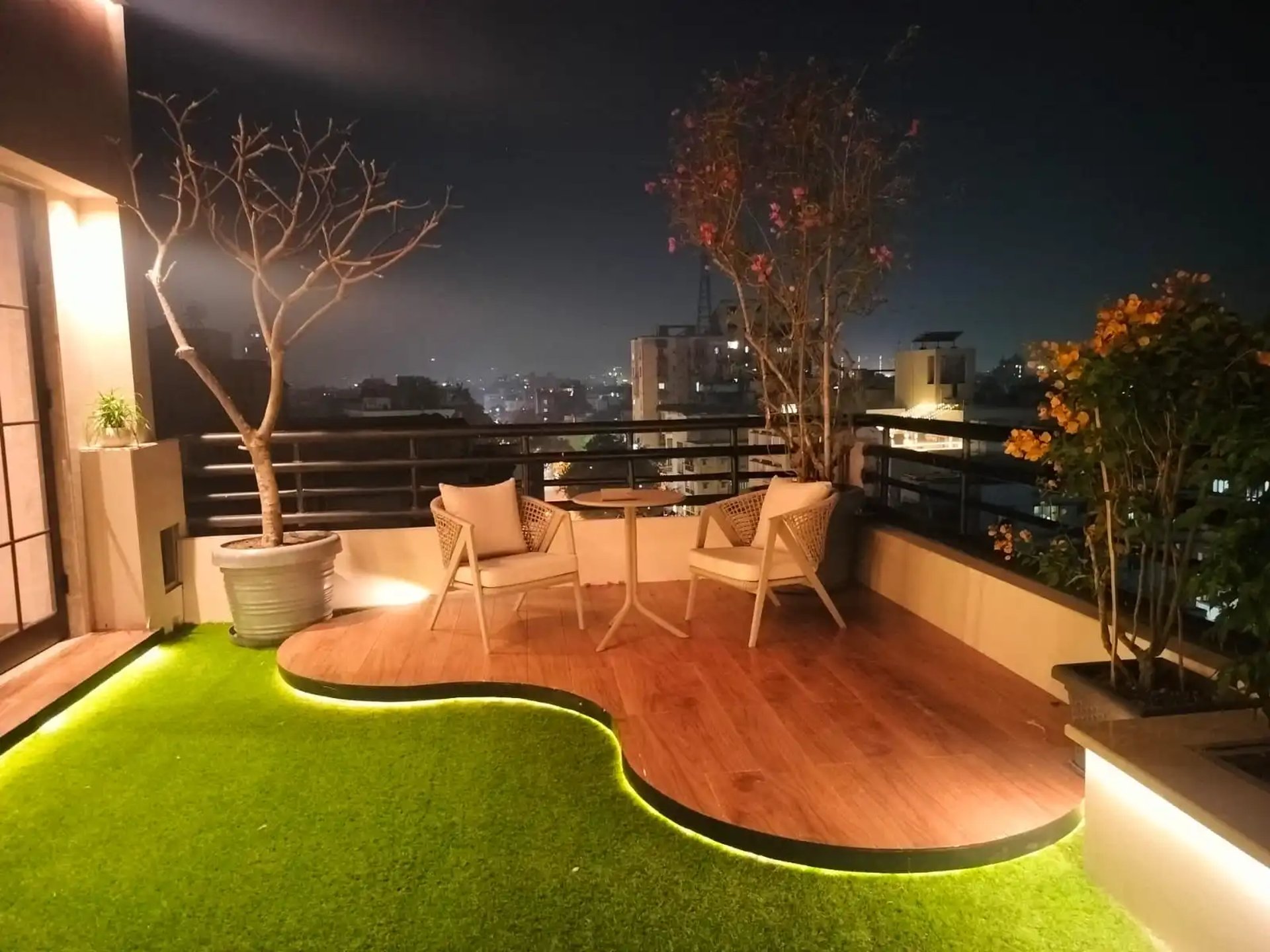
Furniture plays an important role in making rooftop gardens enjoyable living spaces. Choose weather-resistant materials such as aluminum, treated wood, or synthetic rattan to withstand changing weather conditions. Comfortable chairs, benches, hammocks, and coffee tables encourage outdoor relaxation. Outdoor rugs define seating areas while adding warmth and texture. Decorative cushions introduce color and comfort. Lanterns, solar lights, fairy lights, and LED pathway lighting enhance evening aesthetics. Sculptures, decorative stones, bird feeders, and ceramic pots contribute artistic character without overwhelming the garden. Thoughtfully selected accessories create a balanced environment where functionality meets style, allowing the terrace to serve as an extension of your indoor living space.
Maintenance Tips for a Healthy Terrace Garden
Maintaining a rooftop garden requires regular care but does not need to be overwhelming. Establishing a routine keeps plants healthy and the space attractive throughout the year. Water plants according to seasonal needs, avoiding overwatering that may damage roots. Apply organic compost every few months to replenish nutrients. Remove weeds promptly to prevent competition for water and nutrients. Prune shrubs and flowering plants regularly to encourage fresh growth and maintain neat shapes. Inspect plants for pests and diseases, using environmentally friendly treatments whenever possible. Clean pathways, furniture, and decorative elements to preserve the garden’s appearance. A consistent maintenance schedule ensures your terrace garden design continues flourishing with minimal long-term effort.
Simple Maintenance Checklist
- Water plants consistently.
- Trim dead leaves and branches.
- Fertilize with organic compost.
- Check drainage regularly.
- Remove weeds promptly.
- Protect delicate plants during extreme weather.
- Clean furniture and pathways monthly.
Estimated Budget for Terrace Garden Design
The overall investment depends on terrace size, chosen materials, and landscaping preferences. The following table provides a general estimate.
| Item | Estimated Cost | Purpose |
|---|---|---|
| Waterproofing | Moderate to High | Protects building structure |
| Planters and Pots | Moderate | Plant containers |
| Soil and Compost | Low to Moderate | Healthy plant growth |
| Plants | Moderate | Greenery and flowers |
| Outdoor Furniture | Moderate to High | Seating and relaxation |
| Lighting | Moderate | Evening ambiance |
| Irrigation System | Moderate | Efficient watering |
| Decorative Accessories | Optional | Enhance aesthetics |
Starting with essential components and gradually adding decorative features allows homeowners to manage expenses without compromising the garden’s beauty.
Common Mistakes to Avoid
Many rooftop gardens fail because of avoidable planning errors. Skipping waterproofing often results in expensive structural damage. Choosing oversized trees without considering root growth can weaken containers and occupy excessive space. Ignoring sunlight requirements leads to poor plant health and disappointing results. Overcrowding the terrace reduces airflow, making maintenance more difficult and creating an untidy appearance. Poor drainage allows water to accumulate, damaging both plants and the rooftop. Selecting furniture unsuitable for outdoor use results in rapid deterioration. Finally, neglecting regular maintenance causes even the most attractive gardens to lose their appeal. Avoiding these mistakes ensures your investment remains beautiful and functional for years.
Eco-Friendly Terrace Garden Ideas
Sustainability adds long-term value to rooftop gardens. Collecting rainwater reduces dependence on municipal water supplies while supporting irrigation needs. Composting kitchen waste creates nutrient-rich fertilizer for plants and minimizes household waste. Installing solar-powered lights lowers electricity consumption while enhancing nighttime beauty. Recycled containers, wooden pallets, and repurposed furniture introduce creative character while reducing environmental impact. Native plants require less water and maintenance because they naturally adapt to local climates. Organic pest control methods protect beneficial insects and maintain ecological balance. Incorporating sustainable practices into your terrace garden design creates an environmentally responsible space that benefits both your family and nature.

Conclusion
A thoughtfully planned terrace garden design transforms an ordinary rooftop into a peaceful outdoor sanctuary that combines beauty, functionality, and sustainability. With careful planning, proper waterproofing, suitable plants, comfortable furniture, and regular maintenance, any terrace can become an inviting green escape. Whether your goal is growing fresh vegetables, creating a colorful flower garden, or designing a relaxing entertainment area, rooftop gardening offers countless opportunities for creativity. Even small terraces can become impressive landscapes through smart space-saving techniques and thoughtful decoration. Investing time and effort into a well-designed rooftop garden enhances your home’s value, improves environmental quality, and provides a refreshing place to unwind every day. By following the ideas and practical tips shared in this guide, you can confidently create a rooftop garden that remains attractive, healthy, and enjoyable throughout every season.
Read more: Plumbing Work: A Complete Guide to Reliable Home Plumbing Solutions

